

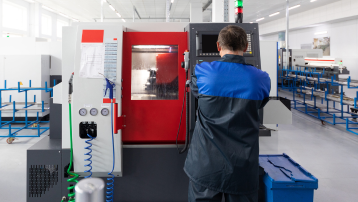
Moving a CNC machine isn’t like moving a standard piece of warehouse equipment. These machines hold tolerances measures in microns, and one bad lift or a rushed loading job can throw that precision off for good.
A dropped level, a rigging shortcut, or a control cabinet that gets jostled around in transit can undo years of accuracy. It can also cost a lot more to fix than the mix itself would have cost to do right. That’s why relocating a CNC machine calls for more planning than a typical equipment move.
Below are ten tips worth keeping in mind if you have a CNC machine on the move.
1. Plan the Move Before Anyone Touches the Machine
Don’t start with the lift. Start with the plan. Before disconnecting anything, you’ll want to confirm:
- The machine’s weight, dimensions, and center of gravity.
- Where the safe lifting and access points are.
- The full path from the current location to the truck, and from the truck to the new spot.
- Doorway widths, ceiling clearance, floor load limits, and turning room at both ends.
Walking the route ahead of time catches the problems that would otherwise show up on move day, when there’s a lot less room to fix them.
2. Lock Down the Axes and Moving Parts
CNC machines have components that were never built to shift mid-transport. Axes, spindles, tool changers, and anything else that moves during normal operation needs to be locked or braced before the machine leaves the ground.
Some machines come with built-in transport locks; others need custom bracing put together for the move. Either way, skip this step and you risk internal parts colliding or shifting in transit, which can damage ball screws and linear guides in ways that aren’t always obvious right away.
3. Protect the Control Cabinet
The electronics are usually the most fragile part of the whole machine. Circuit boards and control panels don’t hold up well to vibration, moisture, or big temperature swings.
A few things help here:
- Securing electronics separately from the mechanical frame when possible.
- Labeling cables before anything gets disconnected, so reassembly isn’t a guessing game.
- Sealing the control cabinet against dust and moisture for the full trip.
- Keeping the machine out of extreme heat or cold, especially on longer hauls.
None of this is complicated, but it’s the kind of thing that gets skipped when a move is rushed.
4. Rig it Like Precision Equipment, Not Furniture
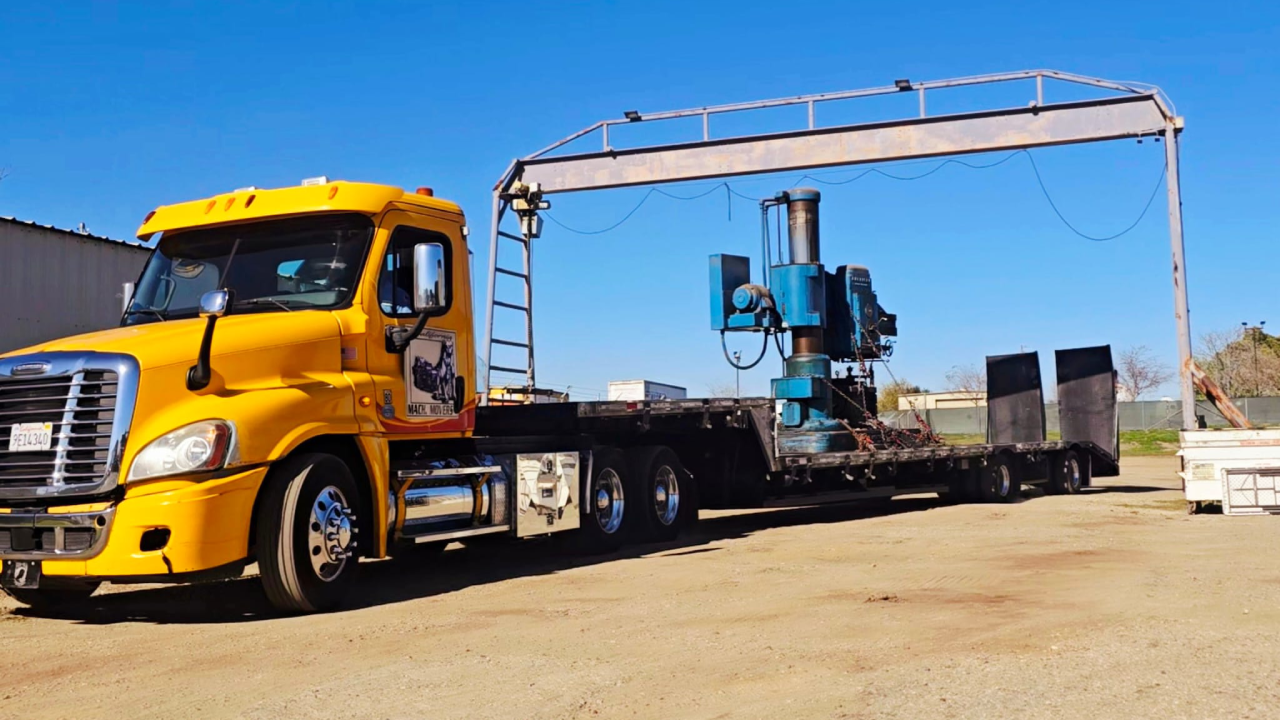
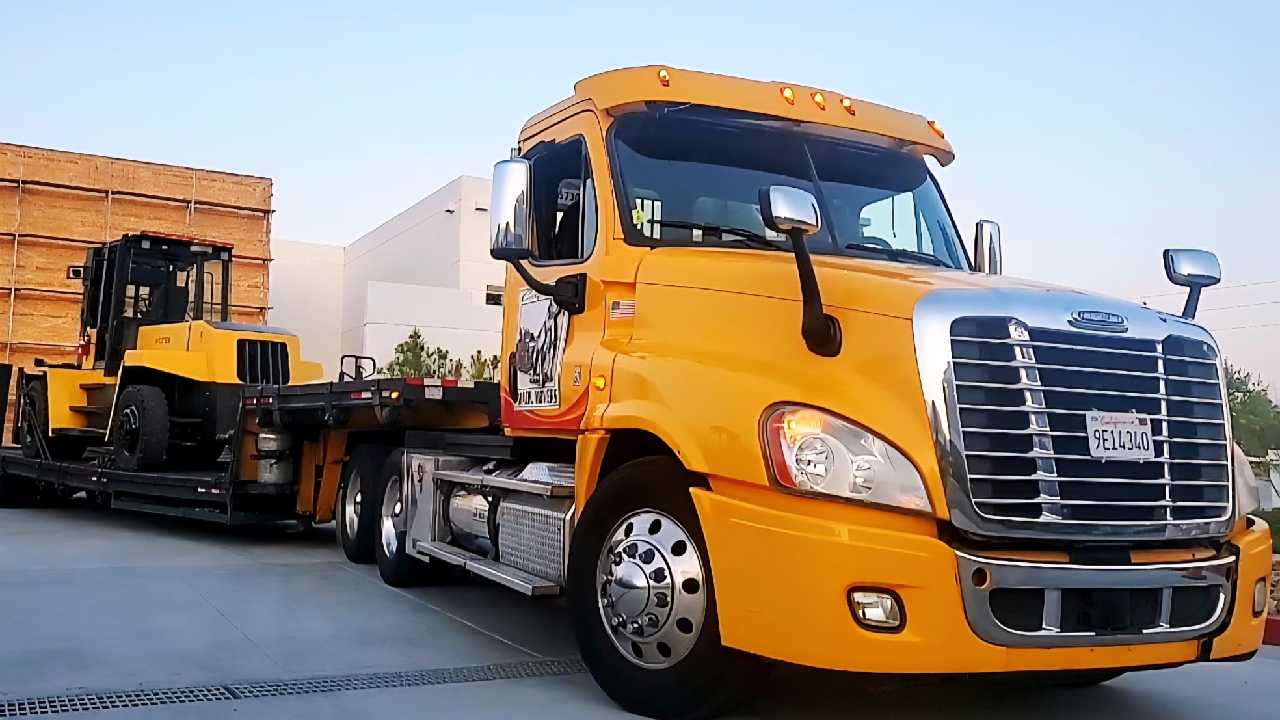
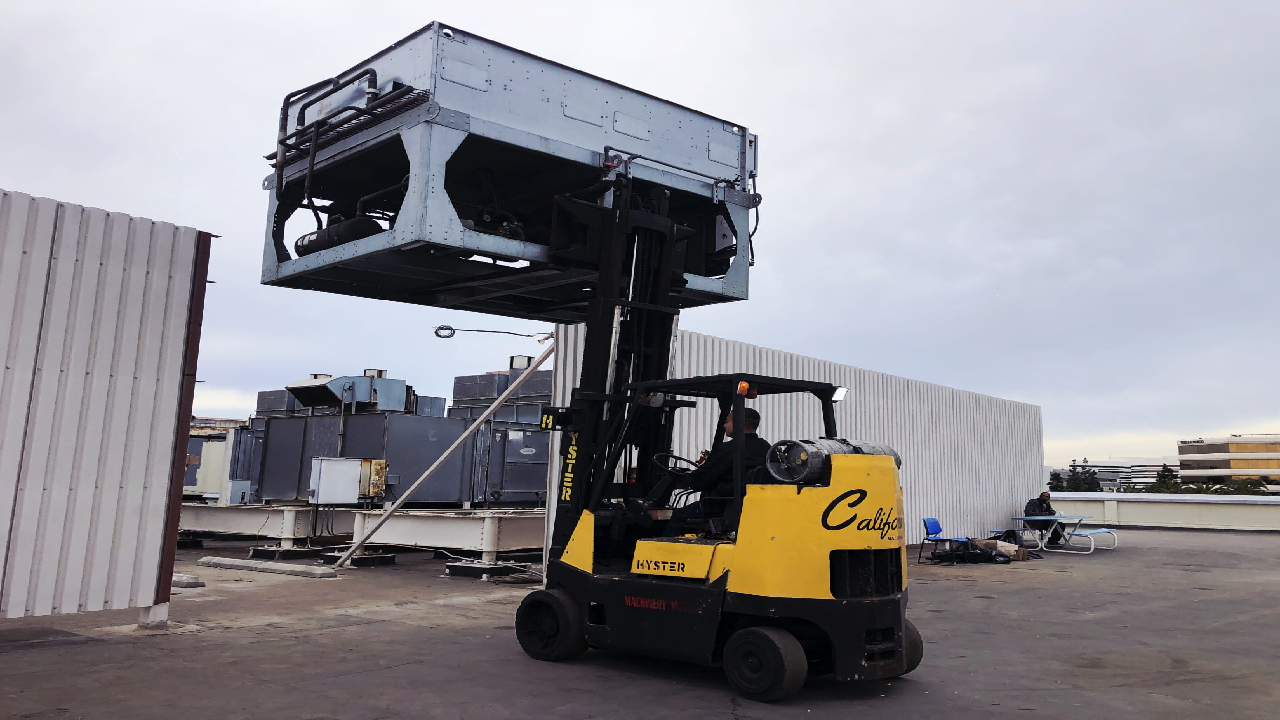
A standard forklift and a couple of straps won’t cut it for a machine that needs to stay level within fractions of a millimeter. CNC equipment calls for rigging matched to its actual weight distribution and structure.
That might mean hydraulic gantries, machinery skates, specialized lifting beams, or an engineer-approved rigging plan built specifically around that machine. And the lifting points matter too — use the ones the manufacturer built in, not the spot that happens to be easiest to reach.
5. Drain Fluids Before You Lift, Not After
Hydraulic oil, coolant, and lubricants all need to come out before the machine is moved. Fluids left inside can leak mid-transport or throw off the machine’s balance while it’s being lifted.
Drain them, dispose of them properly, and write down what type and how much you’ll need to refill once the machine is back in place. It’s a small step that saves a lot of cleanup later.
6. Crate it Properly for Long Hauls
A short local move might get by with furniture blankets and strapping. Anything longer than that benefits from custom crating.
A well-built crate spreads the weight out evenly and keeps the machine from shifting inside the truck over rough roads or long highway stretches. This matters most for machines with exposed components or delicate exteriors that wouldn’t survive rattling around unprotected for hours.
7. Check the Floor Before You Commit to a Route
CNC machines are heavy, and that weight is often concentrated in a small footprint. Before moving day, check that the floor at both locations can actually hold that weight; especially if the machine is heading to an upper floor or a part of the building that wasn’t built with heavy equipment in mind.
While you’re at it, confirm there’s enough clearance for cranes, forklifts, or rigging equipment to get in and actually do the job.
8. Keep it Level the Entire Time, Not Just at the End
Precision machining depends on a level foundation. If the machine drifts off level during loading, transit, or unloading, that can carry over into accuracy problems once it’s running again.
Good crews check level constantly throughout the move, not just when the machine is finally set down, so any shift gets caught and corrected early instead of becoming a surprise later.
9. Recalibrate Before Running Production Again
Getting the machine into the building isn’t the finish line. It still needs to be releveled, reconnected, and recalibrated before it goes back into production.
That generally means:
- Releveling on the new foundation
- Checking axis alignment
- Verifying every electrical connection
- Refilling fluids to spec
- Running test cycles to confirm it performs the way it did before
Skip this step and there’s a good chance the machine comes out of the move a little less accurate than it went in, sometimes not enough to notice right away, but enough to matter down the line.
10. Hire Movers Who Actually Know CNC equipment
Furniture movers can handle pallets and office equipment just fine. CNC machinery is a different job entirely; it takes a crew that understands rigging, weight distribution, control systems, and what can go wrong along the way.
Experience shows up in the small decisions: what to check before lifting, which questions to ask, and how to avoid the mistakes that turn into expensive downtime.
How California Machinery Movers Approaches CNC Relocation
We’ve been moving machinery for California businesses since 1990, and CNC equipment is one of the machine types our crews handle most often. Every move starts with a plan built around the specific machine, not a generic checklist.
In practice, that means:
- Engineer-approved rigging and lifting plans.
- Custom crafting and shrink wrapping for local and long-distance moves.
- Careful handling of control system, wiring, and fluids.
- Machine assembly, disassembly, and reinstallation.
- Secure equipment storage if the new space isn’t ready yet.
Long haul transportation for machines heading out of state.
Whether it’s a single mill moving across Los Angeles or a full facility relocation across California, our crews handle the lifting, transport, and setup so the machine is ready to run when it gets there.
If you’ve got a CNC relocation coming up, give us a call. It’s your move; we’re ready when you are.
- San Gabriel Valley: (626) 797-3685
- Orange County: (714) 740-1520
- Santa Fe Springs: (562) 608-8643
- Santa Clarita Valley: (661) 310-0408
- Los Angeles County: (213) 388-9899
- Toll-Free: (800) 675-1548