


Relocating industrial machinery is a major operational decision. Production schedules, customer commitments, and staffing all depend on how quickly equipment returns to service, so downtime is usually the first concern for any facility manager.
The length of a move depends on the job. Relocating a single lathe is a very different project from moving an entire production floor. Without a clear view of the equipment, the route, and the work needed at each end, no provider can responsibly promise a fixed number of days.
What a business can do is understand the factors that shape the schedule. This guide explains those factors by machine size and job type, so you can plan your move with confidence.
The Short Answer
Most of the time in a machinery move goes to preparation and setup, not driving. A single machine moving across town is a lighter job than a full plant moving across the country. Size, distance, and how delicate the equipment is will set the pace.
What Decides How Long a Machine Move Takes?
Five things shape the timeline on almost every job:
- Scope: California Machinery Movers handles single pieces and entire plants, with a focus on single-piece moves. The bigger the scope, the more steps in the plan.
- Preparation: Some machines need to be palletized, crated, strapped, or shrink-wrapped before they travel.
- Assembly and disassembly: Equipment may need to be taken apart for transport, then erected, installed, and inspected at the new site.
- Distance: A move between nearby cities is not the same as a long-haul trip.
- Equipment type: Sensitive laboratory gear and aerospace equipment call for extra handling steps.
Small Machine, Big Plant: How Machine Size Sets the Clock
Not every machine moves at the same pace. A single CNC mill and a full production line call for very different plans. Here is how the schedule changes as the equipment gets bigger and the project grows.
1. Single Machines
CNC machines, lathes, and mills are common single-piece moves. This is the core of what California Machinery Movers does. A single machine means a smaller crew plan and fewer moving parts, so these jobs are usually the simplest to schedule.
2. Small to Mid-Sized Equipment
The company is built around hauling small to mid-sized equipment for local businesses. Printing presses, cutters, and folders fall in this range. Because the team keeps a fleet of three rigs and five experienced riggers, jobs of this size fit well into a steady schedule.
3. Heavy and Oversized Machinery
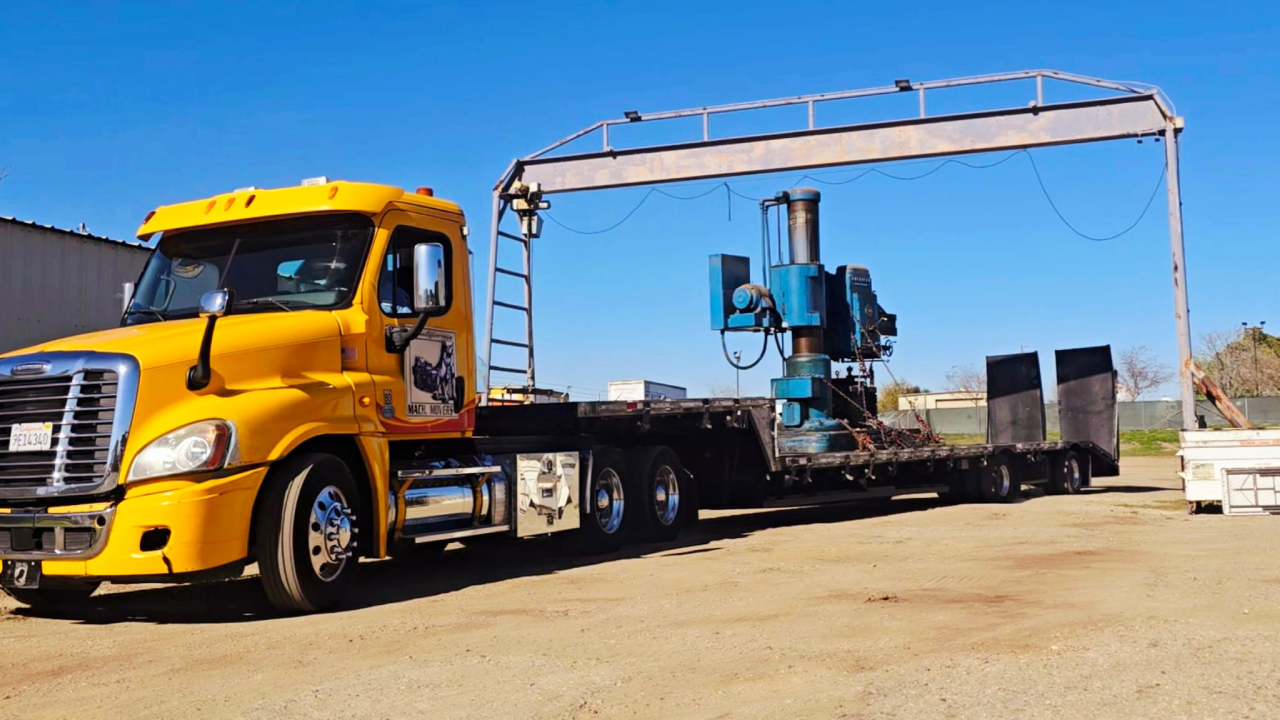
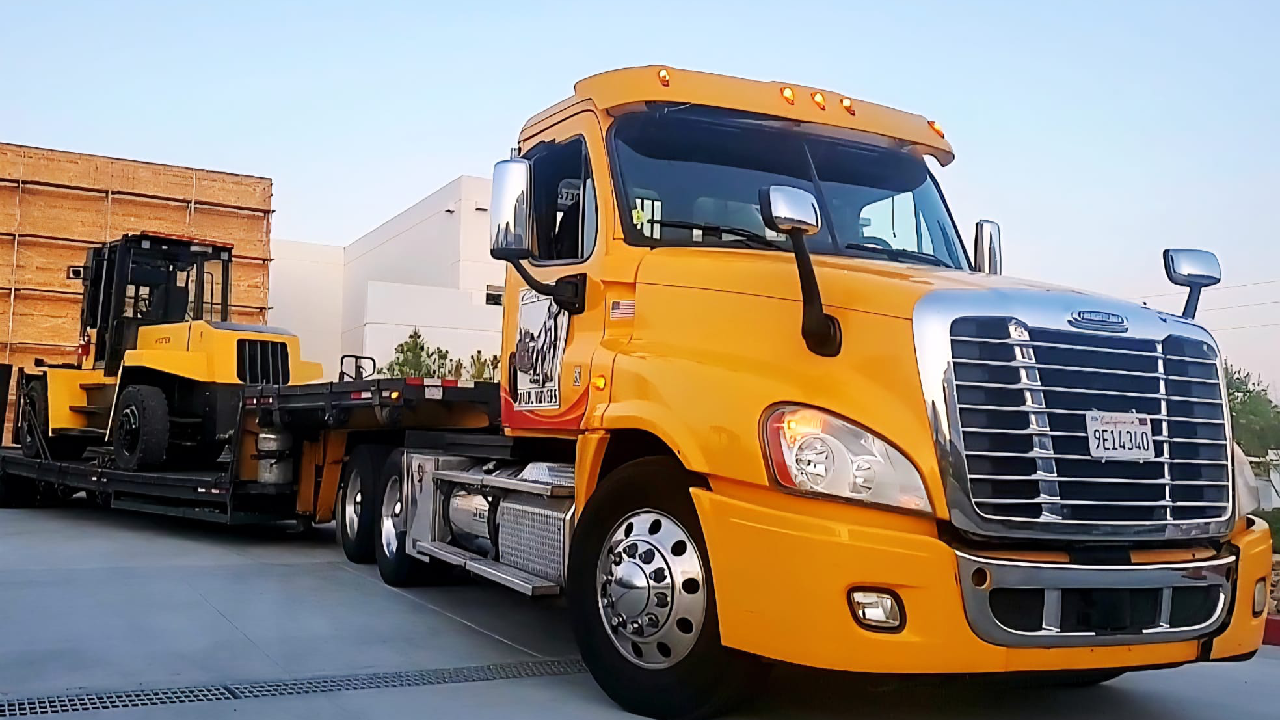
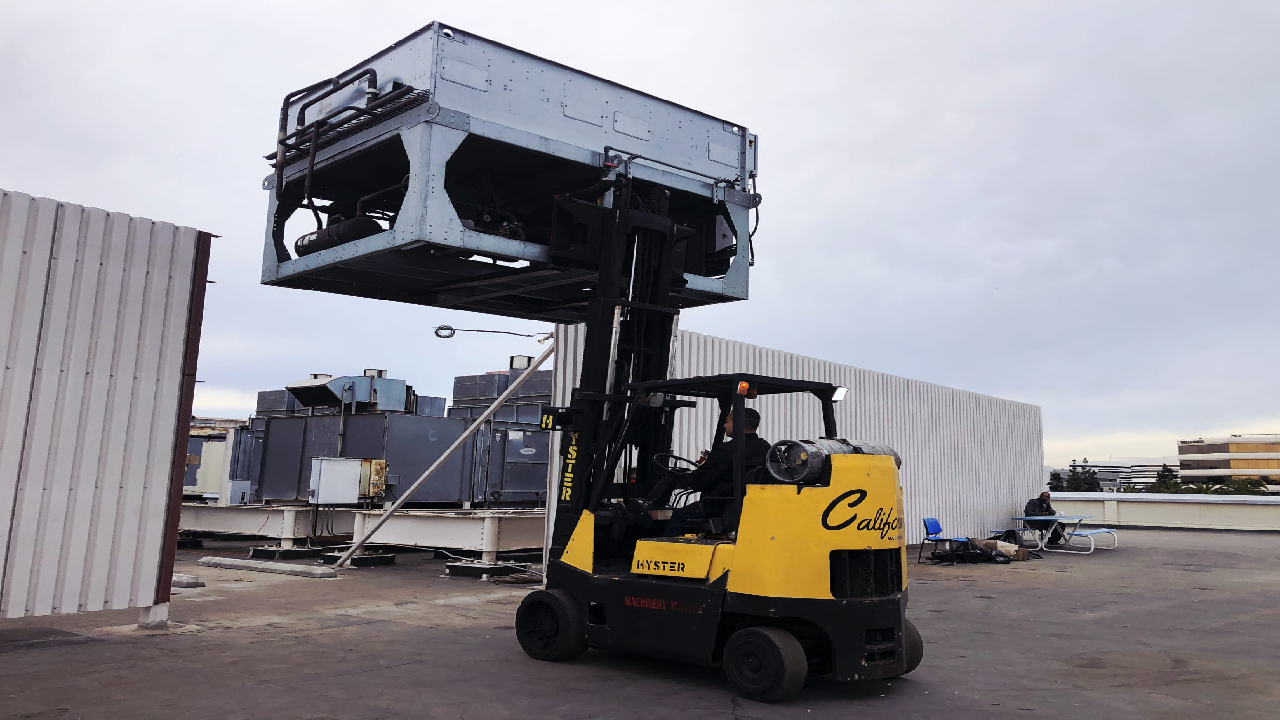
Heavy equipment takes more planning up front. Riggers look over the project, decide how it should be lifted and loaded, and give advice on how to complete the move safely and on time. Specialized rigs and lowboy trailers are part of the toolkit for loads like these. Extra planning at the start often saves hours on moving day.
4. Complete Plants
Moving an entire shop is the largest job type. Every machine needs its own plan, and the plans have to fit together. This is where the schedule matters most, because the goal is to get production running again quickly.
Local Runs to Long Hauls: How Job Type Sets the Schedule
The kind of job matters as much as the size of the machine. A short local move, a cross-country haul, and a full facility relocation each follow a different path from pickup to placement. Here is what to expect from each one.
1. Local Moves
Local moves cover the Southern California region, from Los Angeles to Irvine, Riverside to Bakersfield, and Santa Monica to Simi Valley. With shorter drives, most of the schedule comes from loading, rigging, and setup at the new location.
2. Long Haul Moves
Long haul work involves flatbeds, lowboy trailers, and specialized rigs. These moves reach across the country, and turnkey relocation projects can extend into Mexico and Canada. More miles means more time on the road. Hourly tracking updates help you see where your shipment is, so you are not left guessing.
3. Laboratory and Aerospace Equipment
Delicate equipment moves at a careful pace. For these jobs, the team uses:
- Strict safety protocols for sensitive, high-value items.
- Engineer-approved rigging strategies built around the project.
- Highly trained movers for aerospace and defense equipment.
- Packing, moving, and delivery steps handled with precision.
Rushing is the wrong approach here. A slower, steadier plan protects the equipment and the work it supports.
4. Turn-Key Facility Relocation
A turn-key relocation covers every phase of the move. That includes foundation setup, equipment transport, and installation. The crew follows a strict schedule so operations can resume quickly. When one team manages the full sequence, there are fewer handoffs and fewer gaps where the timeline can slip.
How to Keep a Machinery Move on Schedule
A little preparation on your side goes a long way. Here are a few steps worth taking:
- List every machine that needs to move, including approximate sizes.
- Decide whether you need a single-piece move or a full plant relocation.
- Note any delicate or high-value equipment that needs extra care.
- Choose a target date for operations to restart at the new site.
- Ask for a written quote so the scope and plan are clear from the start.
Custom crating, shrink wrapping, and machine assembly and disassembly can be booked as part of the same job. Keeping these services under one roof helps the schedule stay tight.
A Quick Note on Storage
Some projects need a place to hold equipment between locations. California Machinery Movers offers indoor and outdoor storage for machinery and heavy equipment, including short-term and long-term options. It is a small part of the business, but it can help when a new site is not quite ready.
Summary
Moving industrial machinery takes as long as the job requires. Single machines are typically the simplest. Small and mid-sized equipment fits easily into a regular schedule. Heavy loads, delicate equipment, and full plant relocations need more planning, and that planning pays off in a safer, smoother move.
The main things that shape a timeline are scope, preparation, assembly, distance, and equipment type. Since 1990, California Machinery Movers has handled local and long-haul moves with a fleet of three rigs and five experienced riggers. The team gives quotes in writing so you know the plan before the first machine is lifted.
Ready to plan your move? Visit the Get A Quote page at californiamachinerymovers.com and tell the team what you need to move.
One Response