

Laboratories, research centers, and medical facilities depend on testing and diagnostic instruments that are delicate and high in value. When a facility changes location, these instruments must move with it. How they are handled can affect both their condition and how quickly work resumes.
A laboratory move differs from a standard equipment move. A single error during loading, transport, or setup can lead to costly repairs and lost time. For that reason, careful planning needs to begin well before the truck arrives.
This post explains what lab and medical equipment moving involves, how sensitive instrument are protected in transit, how a relocation is managed from start to finish, and what to plan before you schedule a move.
Why Sensitive Lab Instruments Need Special Handling
Testing and diagnostic instruments are easy to damage and costly to replace. A rough lift, a loose strap, or a poorly wrapped crate can leave a lab with repair bills and idle equipment. The aim of a good move is simple. Every instrument should arrive safely, and daily work should be disrupted as little as possible.
Most lab managers share the same concerns:
- Damage while equipment is being loaded
- Protection during the drive
- Correct setup at the new location
- Time lost before the lab is running again
Strict safety protocols help keep high-value, sensitive items intact during every phase of a move. The work is planned from pickup to placement, not only for the drive in between.
What Does Lab and Medical Equipment Moving Include?
Lab and medical equipment moving covers the packing, transport, and delivery of laboratory apparatus. Each piece is packed, moved, and delivered with care, no matter how delicate it is. The work applies whether a lab is relocating within Los Angeles or needs long haul transportation.
Medical, research, and aerospace organizations are among the industries served, and pharmaceutical companies are part of that list too. Many of these clients look for lab-medical-equipment-movers who can manage the full job with one team.
Packing, rigging, transport, and setup stay under one plan instead of being split between several companies.
How Sensitive Equipment Is Protected During Transport
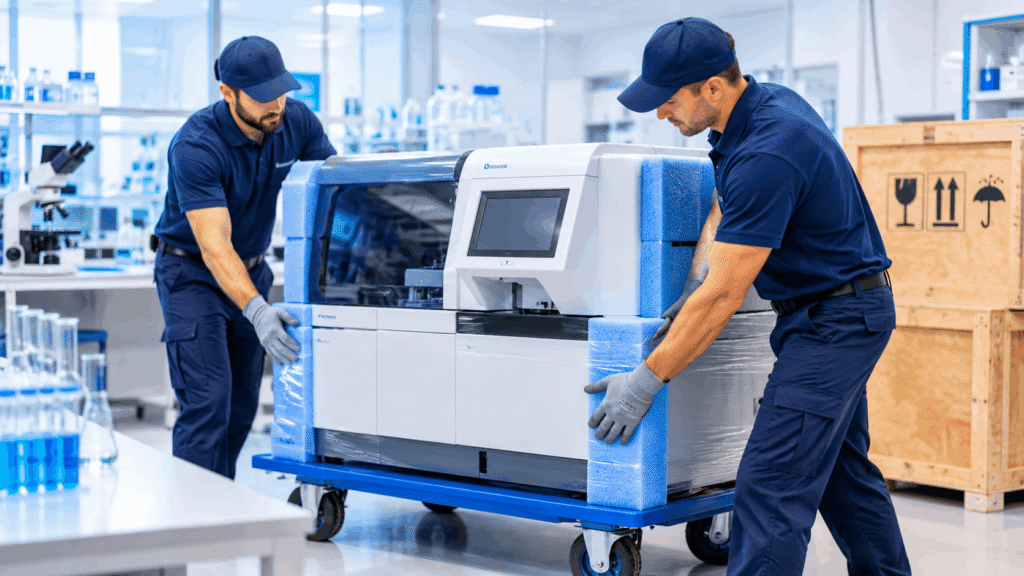
Protection starts before the equipment leaves the building. Depending on the instrument, a machine may be palletized, crated, strapped, or shrink-wrapped, and some jobs call for a mix of these methods.
Packing Methods for Lab Instruments
- Palletizing gives equipment a stable base and makes it easier to lift.
- Custom crating uses industry-grade materials and techniques to protect sensitive equipment in transit.
- Strapping holds each item firmly in place.
- Shrink wrapping shields equipment from moisture, dust, and other hazards.
Packaging is not an afterthought. Proper packaging is critical to a successful relocation, and it lowers the risk of damage from pickup to placement.
The Role of Experienced Riggers
Before work begins, riggers assess the scope of the project. They give advice on how to complete the move in a timely and safe manner, which helps the job stay on schedule. The company has served a variety of industries for over twenty years, and moving scientific equipment is one of its specialties.
How California Machinery Movers Handles a Lab Relocation
California Machinery Movers has served Southern California since 1990, offering local and long haul shipping. It is a small company with a fleet of three rigs and five experienced riggers, and it specializes in single-piece moves. Clients get the personal attention of a local company, along with more capability than a single-truck operator can offer.
When comparing lab-medical-equipment-movers, it helps to ask how a project will be run. A typical lab relocation follows these steps:
- Assessment: Riggers review the scope of the project and recommend a plan for a safe, timely move.
- Packing: Instruments are palletized, crated, strapped, or shrink-wrapped as needed.
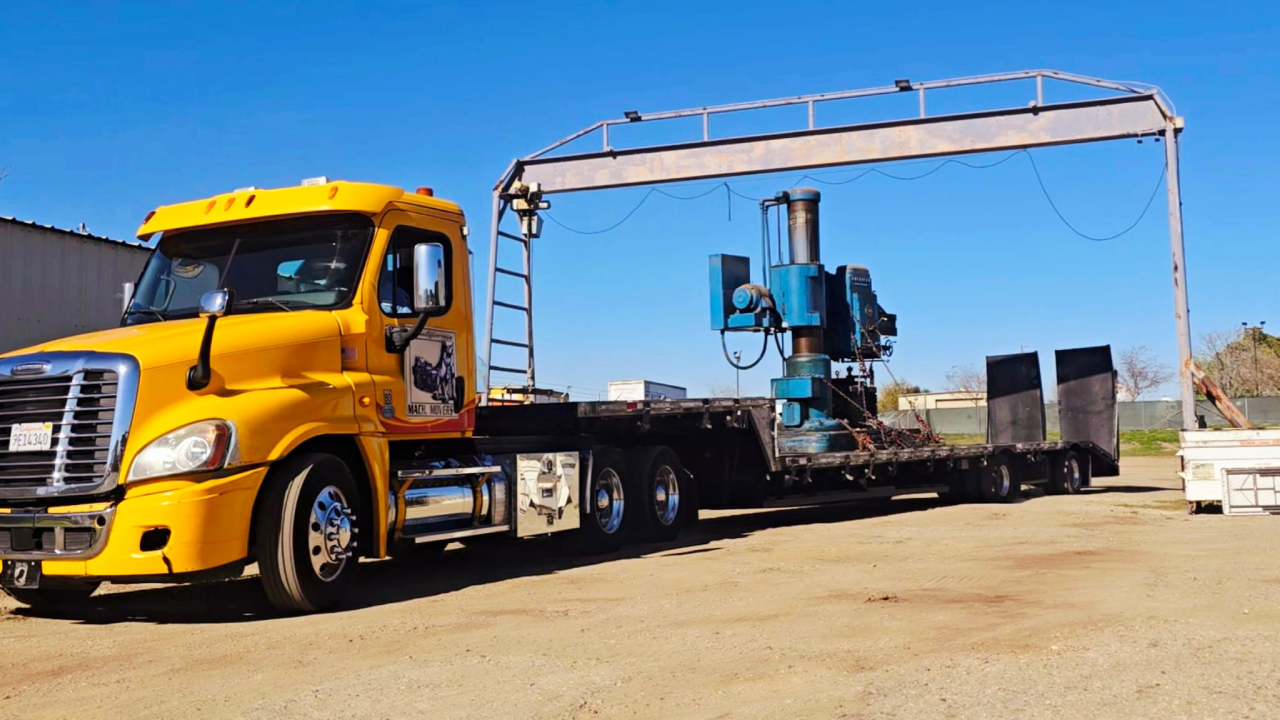
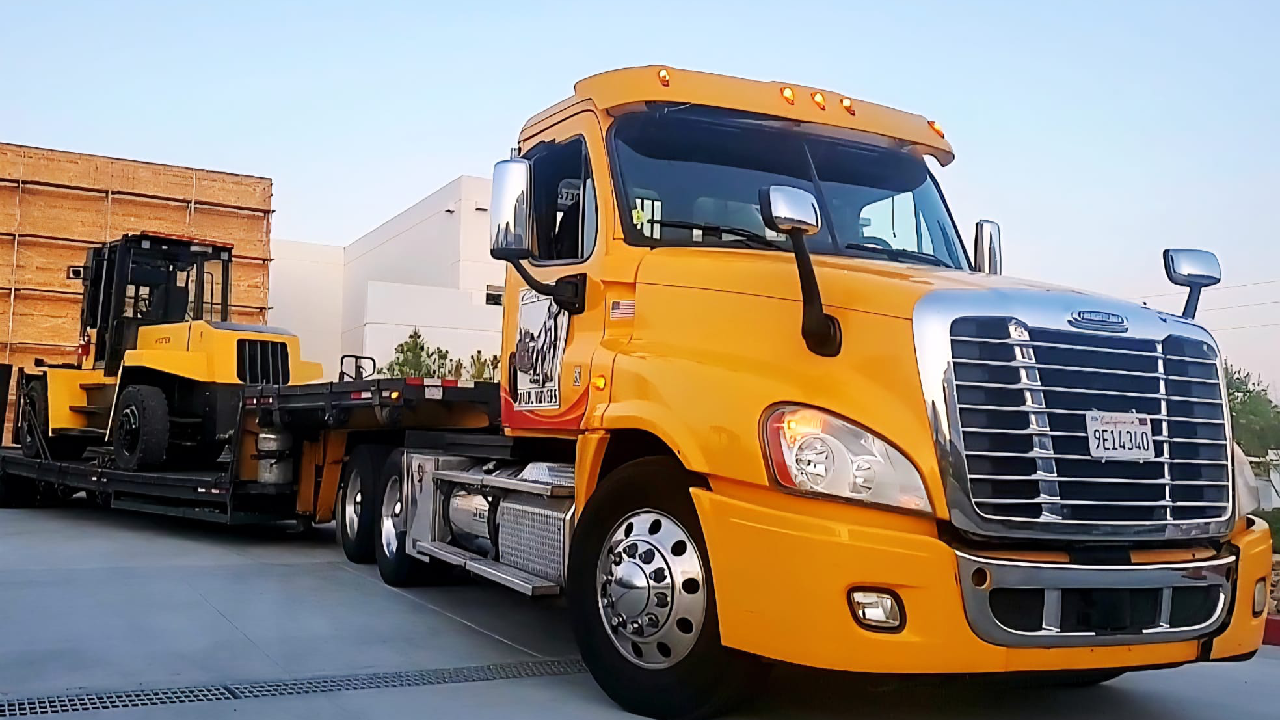
- Transport: Equipment travels locally or long haul. Long haul work uses flatbeds, lowboy trailers, and specialized rigs.
- Tracking: Shipment tracking options include hourly updates, so you can see where your equipment is.
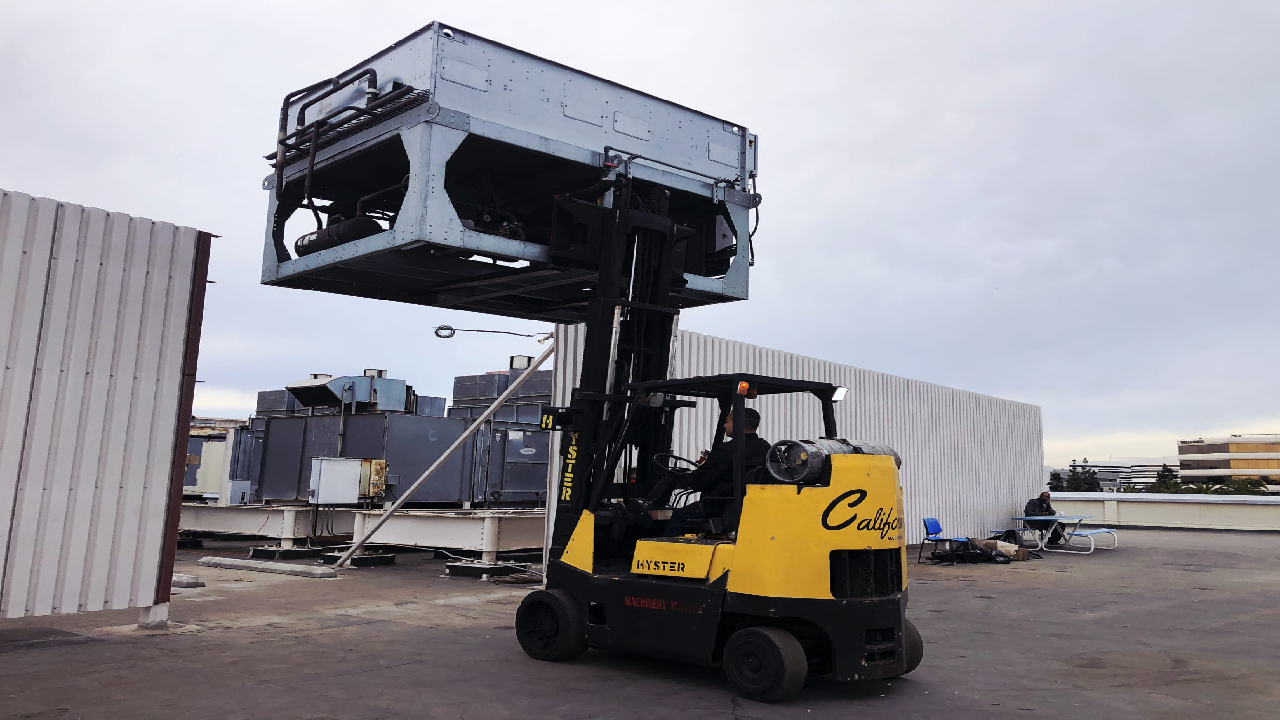
- Setup: The team can erect, install, and inspect machinery at the new facility, including post-move inspections.
Moving an Entire Lab
Some projects involve more than a few instruments. Turn-key facility relocation is built for those jobs. It follows a strict schedule so operations can resume quickly, and it covers foundation setup, equipment transport, and installation. These moves can run within the U.S., Mexico, or Canada.
Machine assembly and disassembly can be part of the project or a standalone service. The team is trained to erect, install, and inspect equipment, which helps limit downtime and supports smooth integration at the new site.
Storage Between Locations
Timelines do not always line up. If the new space is not ready, short-term and long-term storage is available. The storage support is organized, secure, and accessible, so equipment is not left without a plan.
Where California Machinery Movers Serves Lab Clients
Service runs from Los Angeles to Irvine, Riverside to Bakersfield, and Santa Monica to Simi Valley. The team also works in Temecula, Ventura, Fontana, Corona, Chatsworth, Santa Barbara, Camarillo, and San Diego. Long haul and cross-country transportation are available for labs moving farther.
The company provides quotes in writing and guarantees the lowest prices for moving equipment locally or across the country. Staff are available to answer calls about quotes.
What to Plan Before You Move
A shortlist of questions make the first conversation with a move easier:
- Which instruments are moving, and how many?
- Is the move local or long distance?
- Does any equipment need custom crating?
- Will you need storage between locations?
- Do you want setup and inspection at the new site?
- Would you like a written quote?
Having these answers ready helps any lab-medical-equipment-movers team build a plan around your schedule and your equipment. Early planning also gives the riggers time to assess the project properly.
Summary
Lab equipment relocation works best when protection and planning come first. Sensitive testing and diagnostic instrument need careful packing, experienced riggers, and a team that can manage transport and setup.
Palletizing, custom crating, strapping, and shrink wrapping protect equipment on the road. Hourly tracking updates, post-move inspections, and storage options help the move stay on schedule.
For labs weighing a relocation, the next step is simple. Request a written quote from California Machinery Movers and share the details of your project.