

Relocating a facility is a fundamentally different undertaking than moving an office. There is no shortcut for transporting a five-ton CNC machine through a narrow hallway, and there is no margin for error when sensitive lab instruments must remain level, dry, and undamaged throughout the entire process. A single overlooked detail can mean weeks of lost production, not just a delayed schedule.
This is why so many businesses across California rely on a dedicated relocation partner rather than attempting to coordinate the process independently. California Machinery Movers has specialized in this kind of work since 1990, and over the decades, certain practices have consistently proven their value.
The following eight practices represent the foundation of a well-executed turn-key facility relocation.
1. Begin With a Thorough Site Assessment
Before any equipment is touched, a qualified team should physically inspect both the current facility and the new location. Door widths, floor load capacity, ceiling height, power supply, and loading dock access all require direct evaluation, rather than reliance on an outdated floor plan.
This step is skipped more often than most business owners realize, and it is frequently the reason a project falls behind schedule.
Several factors are worth confirming early in the process:
- Will heavy equipment actually clear the hallways and doorways at the new site?
- Does the floor need reinforcement, or does the electrical panel need upgrading?
- Are there city permits, elevator restrictions, or loading dock hours that could slow things down?
Answer these questions before moving day, not during it.
2. Develop a Realistic Project Timeline
A relocation schedule needs to cover disassembly, transport, reassembly, and testing, and it needs slack built into it. Weather delays trucks. Permits take longer than expected. A machine doesn’t come apart quite the way the manual said it would. It happens.
A workable timeline usually includes:
- Pre-move planning and equipment tagging.
- A disassembly and crating schedule.
- Transport windows, including long haul routes when the destination is out of state.
- Reassembly, calibration, and a final inspection before anyone signs off.
3. Crate and Package Equipment Properly
A moving blanket is fine for furniture. It’s not fine for a piece of lab equipment or a precision printer. Custom crating protects against vibration, moisture, and impact, and it matters even more for medical, research, and aerospace machinery, where a small jolt during transport can throw off a calibration that took hours to set.
We build crates around the actual shape and weight of the machine instead of grabbing something generic off the shelf. It costs a bit more going in, but it beats paying for a repair or a recalibration on the other end.
4. Establish a Plan for Temporary Storage
Relocations rarely go from Point A to Point B in one clean motion. Sometimes the new building isn’t ready yet. Sometimes equipment needs to sit for a few weeks while construction wraps up. This is where a secure warehouse storage facility earns its keep, giving your project a safe place to pause instead of forcing a rushed handoff that nobody’s comfortable with.
A good storage partner should offer:
- Climate control for equipment that’s sensitive to temperature or humidity.
- Monitored, secure space.
- Both short-term and longer-term options, depending on how the project unfolds.
Plenty of companies also lean on industrial storage units during a retooling or expansion, which keeps extra equipment off the production floor without cluttering up the new space before it’s ready.
5. Engage Specialized Riggers, Not General Movers
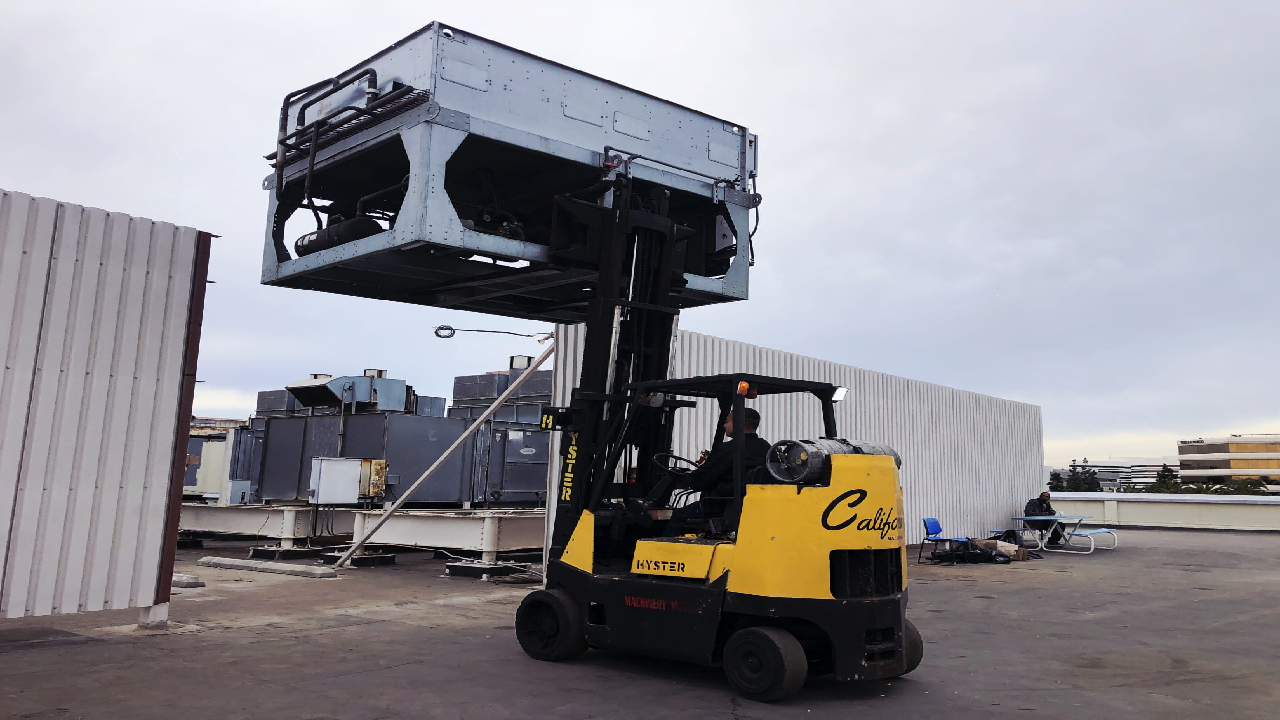
Moving heavy machinery isn’t a job for a standard moving company, no matter how good they are with furniture. Riggers who specialize in industrial equipment know how to balance a load, calculate lifting angles, and move something that weighs several tons without cracking a slab or tipping a machine on its side.
Before signing with anyone, ask what kind of equipment they’ve actually rigged before, and ask for specifics, not just a general answer.
6. Maintain Continuity From Disassembly to Reassembly
One of the more common mistakes we see: one company handles disassembly, and a completely different one handles reassembly at the new site. Details get lost in the handoff. Small configuration notes that seemed obvious during teardown turn into guesswork during setup.
Keeping one crew on the job from start to finish means fewer surprises, faster reassembly because the crew already knows the machine inside and out, and one company to hold accountable if something doesn’t go according to plan.
7. Implement a Phased Relocation When Possible
Shutting an entire operation down at once is a gamble most businesses can’t afford. A phased move relocates equipment in stages, so part of the operation stays running while another section gets packed up and transported.
This works especially well for manufacturers with multiple production lines or labs running more than one department.
8. Select a Mover With Proven Long Haul Experience
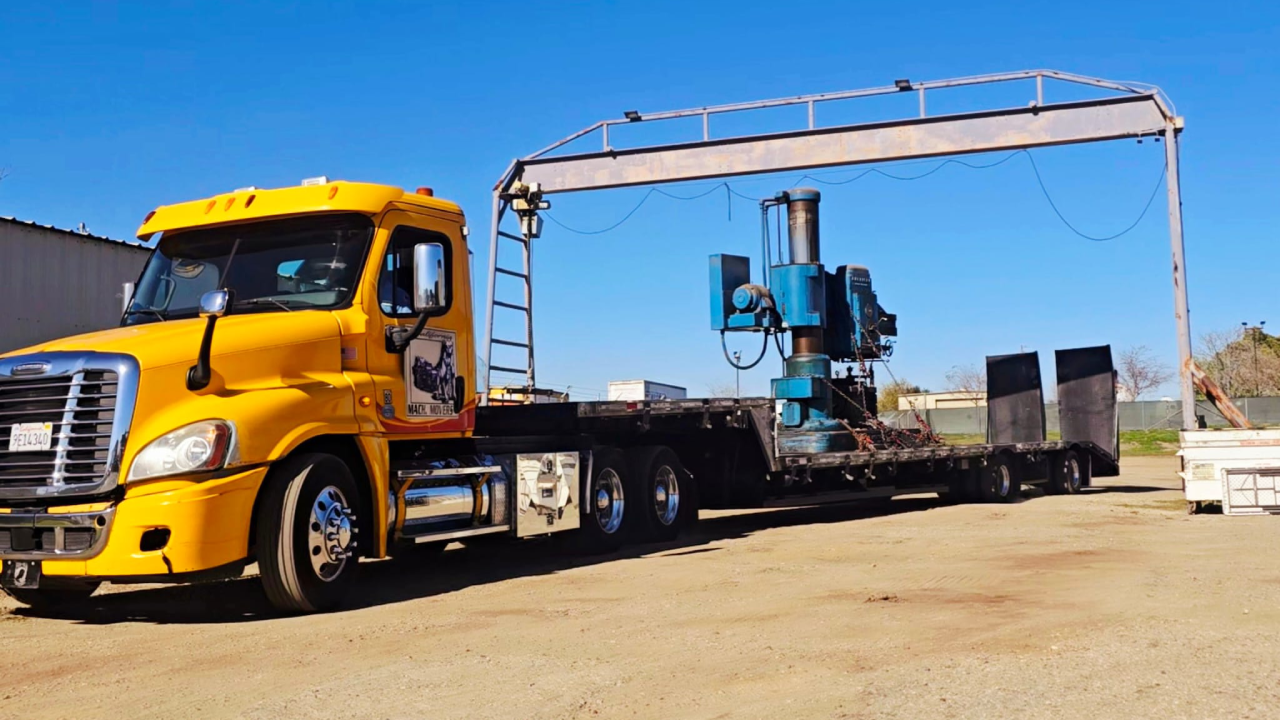
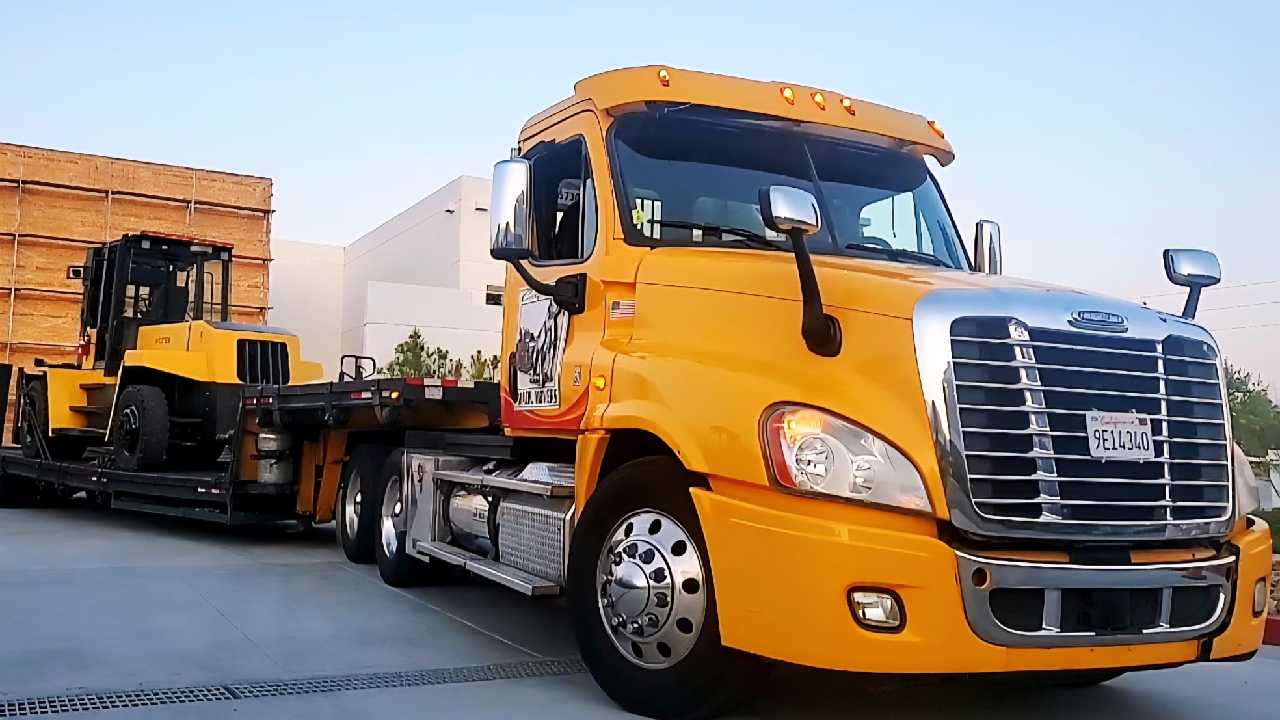
Not every relocation stays close to home. Some jobs mean hauling equipment across the state, or across the country. That takes flatbeds, lowboy trailers, and rigs built specifically for heavy industrial loads, not a standard delivery truck.
Before you commit to a mover, ask about their insurance coverage and whether they’ve handled a route similar to yours before. If the answer is vague, keep looking.
How California Machinery Movers Applies These Practices
None of these practices mean much without a crew that actually follows through on them. This is the part where we talk a little about how we do it.
We don’t split your project between five different vendors. Our own people handle the site assessment, the crating, the transport, and the reassembly, which is exactly why practices like keeping one crew from teardown to setup actually work here. There’s no handoff where details get lost, because there’s no handoff at all.
Deep Familiarity With the Region
Our crews work throughout Los Angeles, Irvine, Riverside, Bakersfield, Santa Monica, Simi Valley, Fontana, Corona, Ventura, and Santa Barbara. That familiarity with local permitting, loading dock hours, and traffic patterns shaves real time off the planning stage on almost every job we take on.
Equipment and Facilities to Support Every Project
A few things we bring to the table on nearly every project:
- Flatbeds, lowboy trailers, and specialized rigs for long haul transport.
- Custom crating built around the specific dimensions of your machinery.
- Warehouse storage facility space for staging equipment mid-move.
- Industrial storage units for businesses working through a retooling or expansion.
- Riggers with hands-on experience in medical, research, aerospace, and manufacturing equipment.
Industries We Serve
Our clients range from small manufacturers moving a single machine to labs and aerospace companies relocating an entire facility. The size of the job changes, but the same eight practices guide how we plan and execute every one of them.
Ready to Plan Your Relocation?
A facility move is stressful enough without wondering whether equipment will arrive in one piece or whether you’ll hit your target reopening date. If you are planning a move, an expansion, or a retooling project, our team can walk through the details with you and build a plan around your timeline and budget.
Contact California Machinery Movers today for a free quote, and let us handle the heavy lifting for you.