


A laboratory depends on the accuracy of its instruments. Every reading from a balance, microscope, or analyzer must be reliable, and that reliability can be put at risk when equipment is relocated. An instrument may look undamaged after transport and still fail to perform as it did before.
Research teams, medical facilities, and aerospace organizations face this challenge whenever they expand or move to a new building. Three concerns come up most often: vibration, temperature, and calibration. Each is easier to manage when the move is planned well before packing begins.
This guide explains how to approach each concern and what an experienced machinery mover contributes to a successful relocation.
Why Sensitive Instruments Need More Than a Standard Move
A lab instrument is not valued for its weight. It is valued for its accuracy. That changes how the move should be handled from start to finish.
Most lab managers are trying to protect three things:
- Vibration control: Limiting shaking and jolts during loading, transit, and unloading.
- Temperature: The conditions the instrument faces on its way to the new location.
- Calibration: The instrument’s ability to perform the way it did before the move.
The goal is simple. The equipment arrives safely, and your lab loses as little working time as possible.
Start With a Walk-Through and a Written Quote
Good moves begin with a close look at the job. At California Machinery Movers, experienced riggers assess the scope of a project and advise on how to finish it safely and on time. The company has served Southern California since 1990 and specializes in single-piece moves, which suit instruments that need individual attention. When a full lab relocation is needed, the team also moves entire plants.
Bring these details to the first conversation:
- A list of the instruments being moved
- Which pieces are the most delicate or valuable
- Where each one sits now and where it will go
- Your target move date and how much downtime you can accept
- Whether the move is local, long-distance, or part of a larger facility relocation
Quotes are given in writing, so you know the plan and the price before anything is touched.
How Packing Protects Instruments in Transit
Packing is the first line of defense against bumps and the elements. For scientific equipment, the crew can palletize, crate, strap, and shrink-wrap machines to protect them during transport.
Each method has its own job:
- Palletizing sets the piece on a base that can be lifted and moved.
- Custom crating uses industry-grade materials and techniques to protect sensitive equipment in transit.
- Strapping secures the load.
- Shrink wrapping shields large equipment from moisture, dust, and other hazards.
Custom crating and packaging is also offered as its own service. It fits well into turnkey facility relocation projects.
Rigging and Handling for Delicate, High-Value Equipment
Lifting is where many instruments face the most risk. That is why the rigging plan matters as much as the truck.
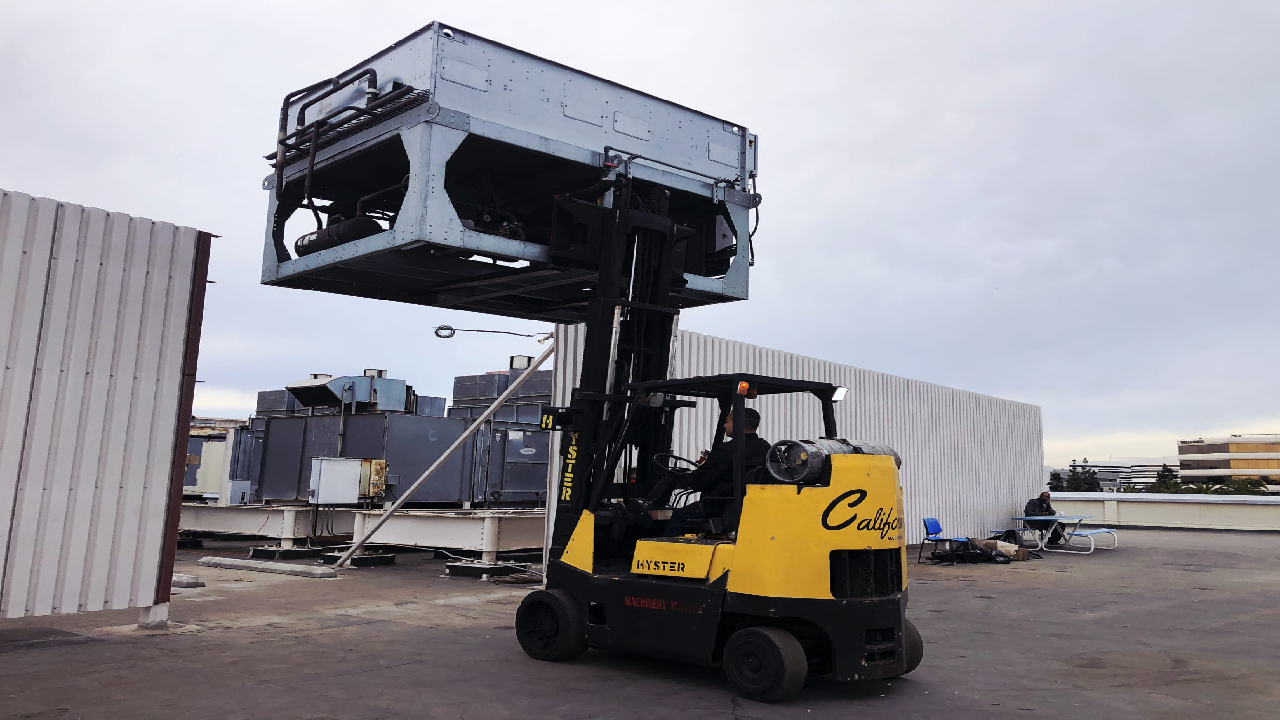
California Machinery Movers offers rigging built for delicate equipment. Its aerospace and defense work includes:
- Engineer-approved rigging strategies matched to the project.
- Specialized rigging for delicate, high-value equipment in controlled environments.
- Safe, efficient lifting solutions for large, complex equipment.
- Highly trained movers assigned to delicate and complex jobs.
For laboratory and medical equipment, the crew follows strict safety protocols during every phase of the move. Each apparatus, however delicate, is packed, moved, and delivered with care. These services support medical, research, and aerospace clients.
Moving Instruments Across Town or Across the Country
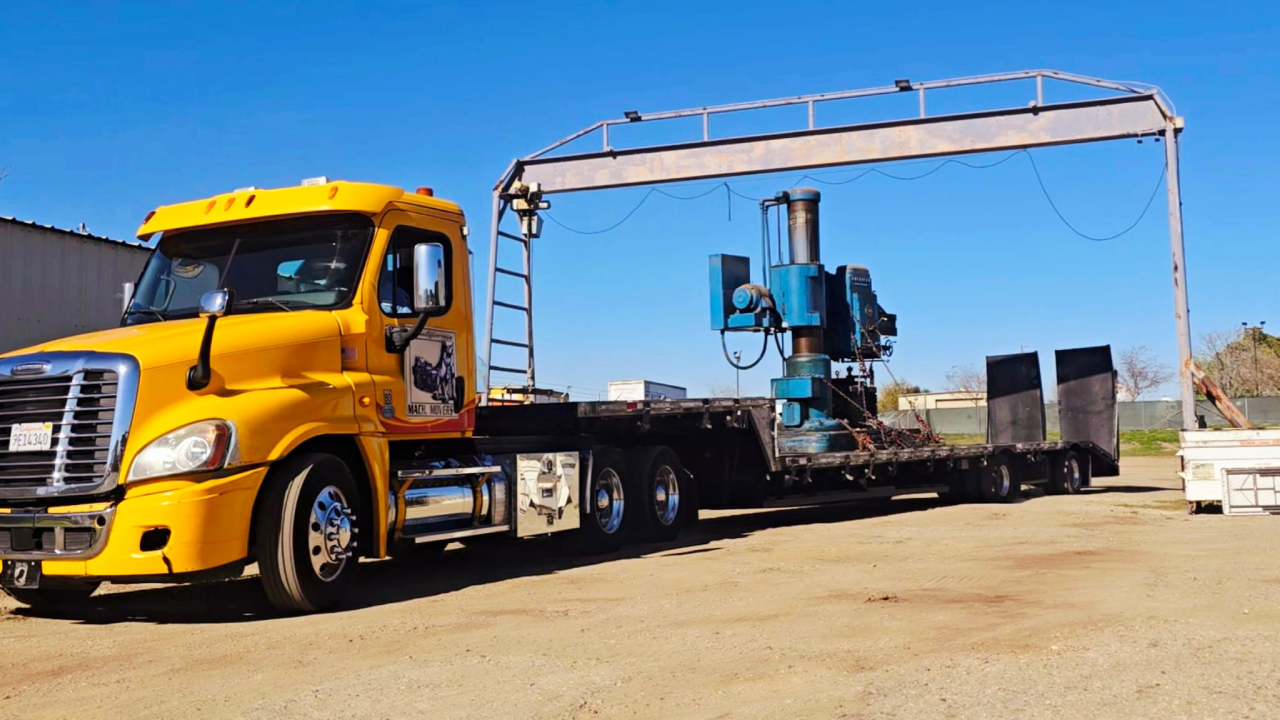
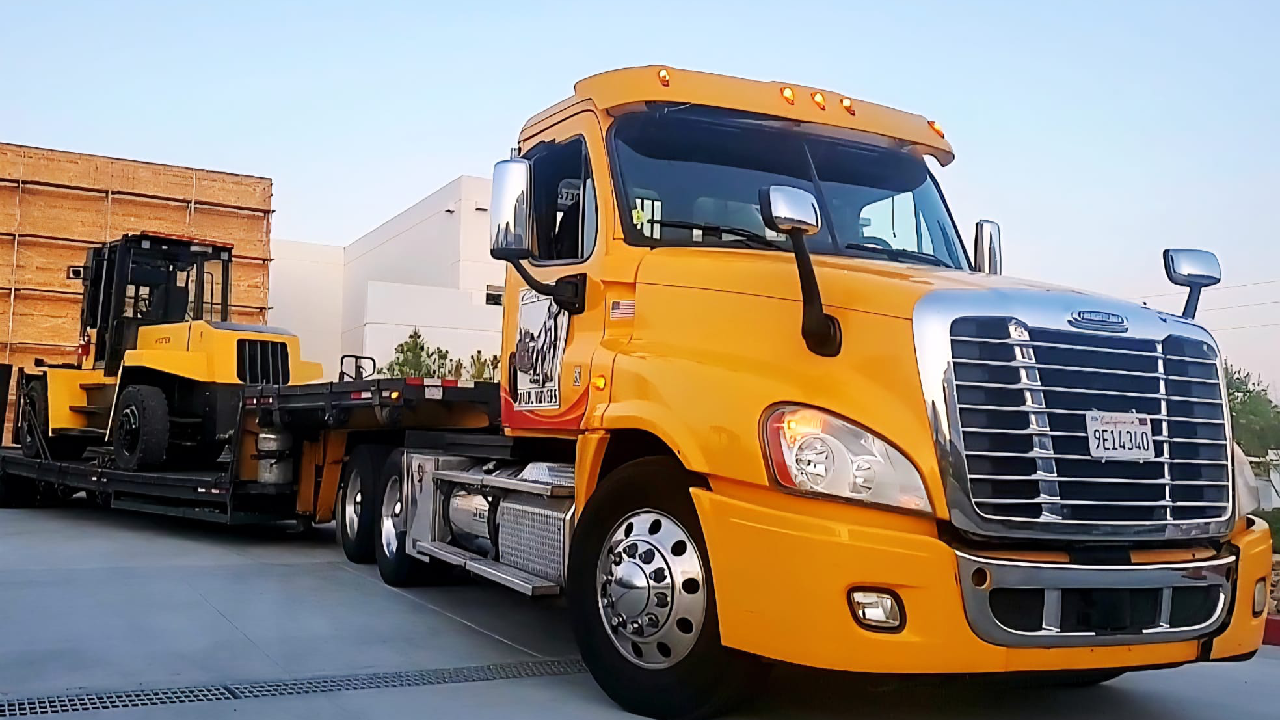
Can a lab instrument travel a long distance? Yes, long-haul transportation is a core service, using flatbeds, lowboy trailers, and specialized rigs. Local coverage runs from Los Angeles to Irvine, Riverside to Bakersfield, Santa Fe Springs to Camarillo, and San Diego to Santa Barbara. Cross-country transportation is available too.
Larger projects can use turn-key facility relocation. The team follows a strict schedule so operations restart quickly. This covers moves within the U.S., Mexico, or Canada, and includes foundation setup, equipment transport, and installation.
Shipment tracking adds hourly updates, so you can see where your equipment is during the trip.
Setup and Inspection at the New Site
A move is not finished when the truck arrives. Machine assembly and disassembly are offered on their own or as part of a turnkey relocation. The crew can erect, install, and inspect machinery, and post-move inspections are part of the service. The aim is to cut downtime and help the equipment fit into the new facility.
Once the instrument is in place and inspected, your lab team can begin its own checks and calibration steps. Building that time into your schedule helps the lab reopen on a realistic date.
A Short Note on Storage
Sometimes the new space is not ready on time. Storage can fill that gap. Indoor and outdoor storage is available, short-term or long-term, for machinery and oversized equipment. It is a small part of the work, but it is useful when dates shift.
Summary
Moving sensitive scientific instruments comes down to planning and careful handling. The main points:
- Vibration, temperature, and calibration are the three worries to plan around.
- A rigger walk-through and a written quote set clear expectations.
- Palletizing, custom crating, strapping, and shrink wrapping protect equipment in transit.
- Engineer-approved rigging strategies and trained movers support delicate, high-value equipment.
- Long-haul trucking, hourly tracking, and turnkey relocation cover bigger or farther moves.
- Assembly, installation, and post-move inspections help the lab get back to work.
Planning a lab move? Request a written quote from California Machinery Movers and let the riggers review your project before moving day.
One Response