

Moving heavy equipment is a different task from moving almost anything else a business owns. Once a machine leaves its fixed position on the shop floor, its size, weight, and shape become practical concerns that affect every step of the job. A strong truck and a capable driver are only part of the picture.
In most cases, problems during transport can be tracked back to three early decisions: how the load is measured, which trailer carries it, and how the route is planned. When those choices are made carefully, the move tends to run on schedule, and the equipment arrives in good condition.
When one of them is rushed, the cost often shows up later, at the loading dock, on the road, or at the new facility.
This post explains each of these areas in clear terms. It also covers the questions businesses should ask before hiring a machinery mover.
Why Load Dimensions Come First
Every transport plan starts with the load itself. Before a truck is booked, the mover needs to know what is being moved, how big it is, and how heavy it is. That information drives almost every choice that follows.
A single CNC machine and a complete production line are very different jobs. The same goes for a small printing press and a generator. California Machinery Movers handles loads of many sizes, and the team treats every load, regardless of size or weight, as something that needs careful handling from pickup to placement.
Information a Mover Needs From You
You do not need to be an engineer to prepare for a quote. A clear picture of the job helps the mover plan faster and price more accurately. Helpful details include:
- The type of machine and what it is used for.
- Whether it is one piece or several pieces.
- Where it sits now and where it needs to go.
- Whether the machine needs to be taken apart before the move.
- Any sensitive parts, such as precision components or lab instruments.
The more a mover knows up front, the fewer surprises appear on moving day.
Trailer Selection: Matching the Rig to the Load
The trailer is the link between the machine and the road. A poor match can put the load, the driver, and other traffic at risk.
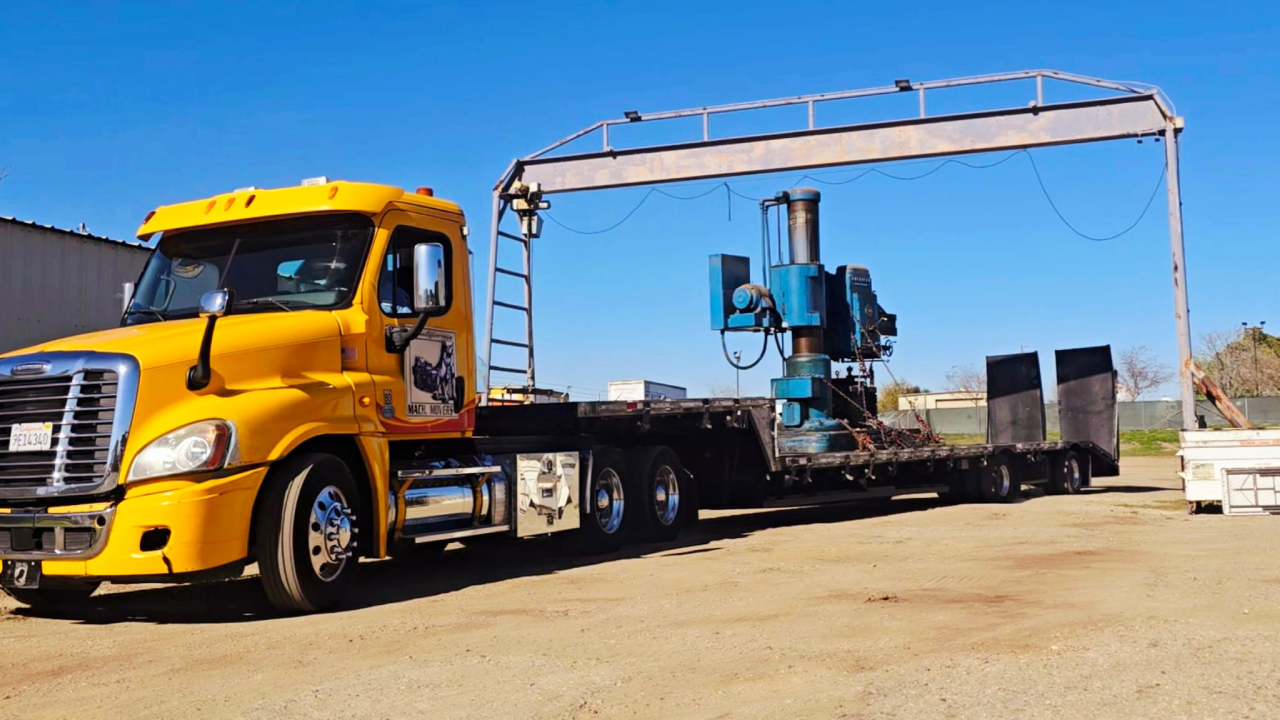
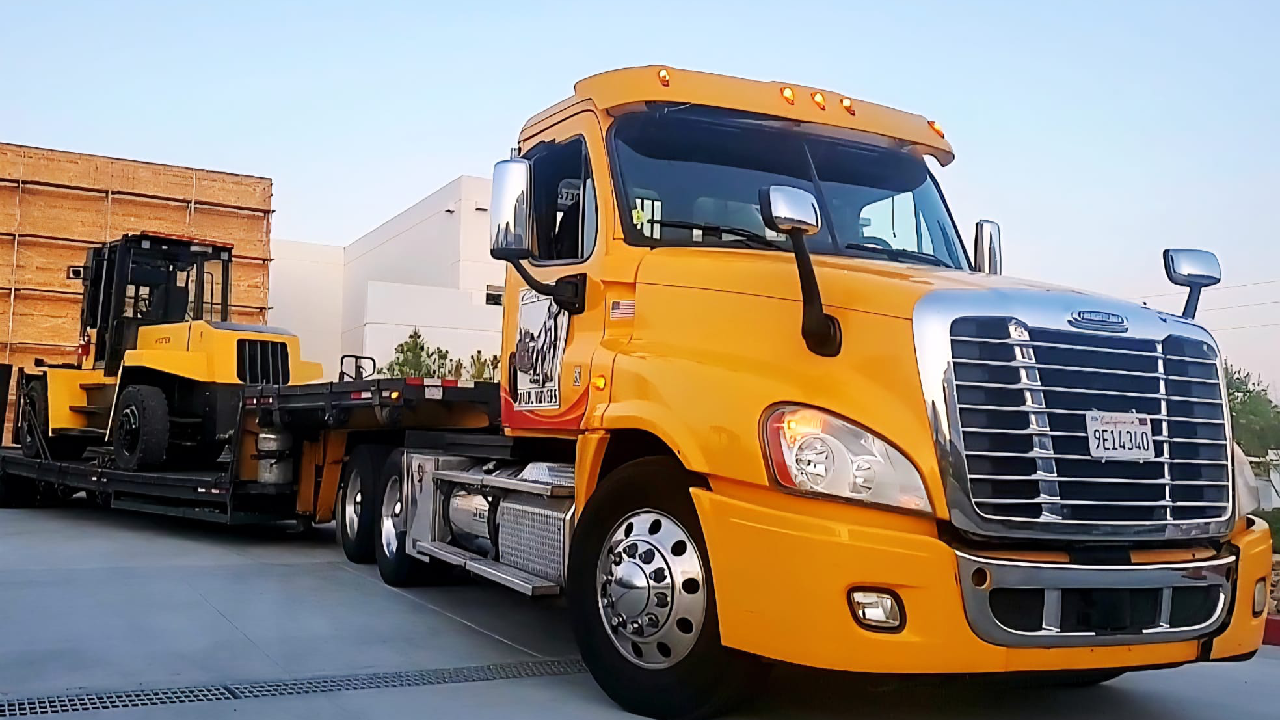
California Machinery Movers uses heavy hauling equipment that includes flatbeds, lowboy trailers, and specialized rigs. Each one suits a different kind of job.
What Each Trailer Type Brings
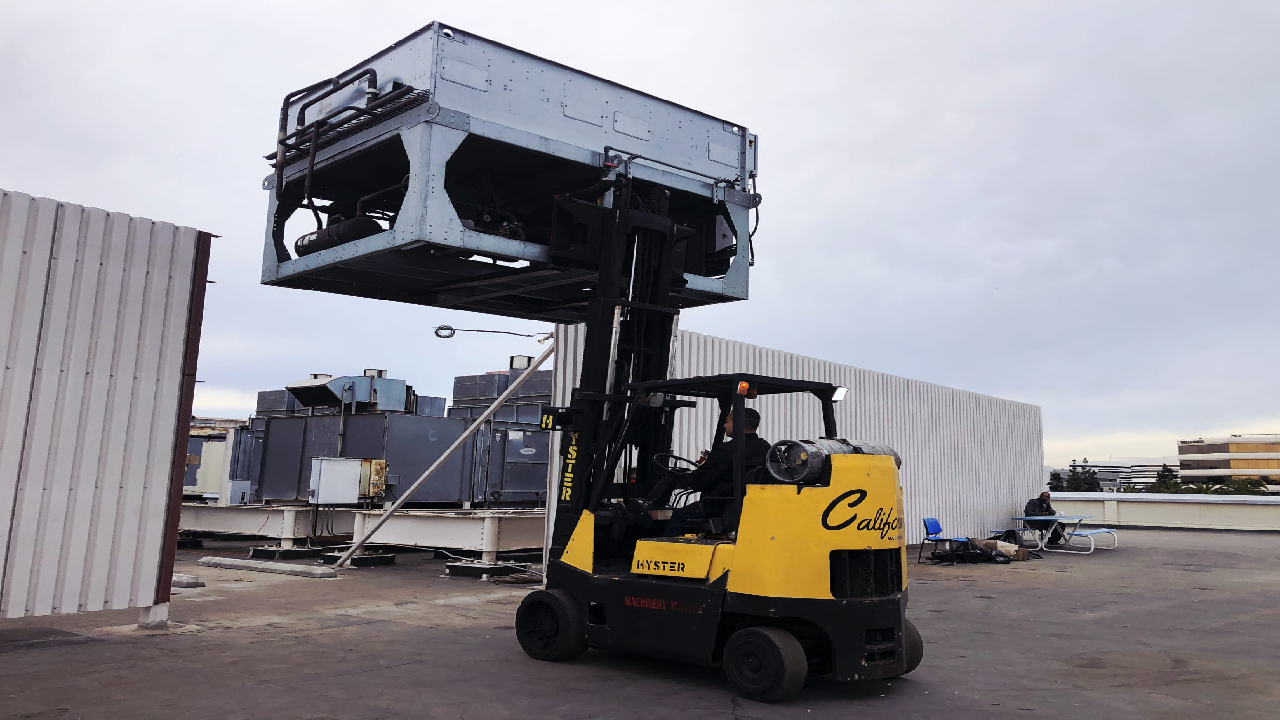
- Flatbed trailers give open access to the load from the sides and the top. This makes loading and unloading with a forklift or crane easier.
- Lowboy trailers sit close to the ground. They are built for tall or oversized equipment that needs the extra clearance.
- Specialized rigs cover loads that do not fit a standard setup, such as unusual shapes or very delicate, high-value equipment.
The right choice depends on the machine, not on what happens to be parked at the yard. A good mover will explain why a certain trailer was picked and will not simply send whatever is free.
Why Fleet Size Matters
The company runs three fully equipped rigs and works with five experienced riggers. That is a small fleet by design. It lets the team focus on single-piece moves while still bringing more resources than a one-truck operation can offer. For many local businesses, that balance is the sweet spot.
Protecting the Load Before It Moves
Trailer choice is only part of safe transport. The machine also has to be prepared so it arrives in the same condition it left in.
Several services help with this step:
- Machine disassembly and assembly: Some equipment has to be taken apart for the trip, then rebuilt and checked at the new location. The crew can erect, install, and inspect machinery after delivery.
- Custom crating and packaging: Crates built for the specific machine protect sensitive equipment during transit.
- Shrink wrapping: A wrap guards large equipment against moisture, dust, and other hazards on the road.
- Rigging: Rigging plans are tailored to the project. For delicate or high-value equipment, the team offers engineer-approved
Good preparation also saves time at the other end. A machine that is packed and secured well can usually be placed and started up sooner.
Route Planning and Scheduling with California Machinery Movers
Route planning is where the whole job comes together. It covers where the truck starts, where it ends, and how the schedule fits around your operation. Downtime costs money, so the goal is to keep the machine out of service for as short a time as possible.
California Machinery Movers has served Southern California since 1990, offering both local moves and long-haul shipping. The service area stretches from Los Angeles to Irvine, from Riverside to Bakersfield, and from Santa Monica to Simi Valley, with plenty of ground in between. Planning an oversized shipment? Learn more about Oversize and Overweight Load Permits in California: A Step-by-Step Guide for Equipment Movers
The team also covers Temecula, Ventura, Fontana, Corona, Chatsworth, Santa Barbara, San Diego, and Camarillo.
Local Moves Versus Long Hauls
Short moves within the region and long hauls across the country call for different planning. The company handles both. For longer trips, it relies on flatbeds, lowboy trailers, and specialized rigs. For turnkey facility relocations, the team follows a strict schedule and manages foundation setup, equipment transport, and installation. These relocations can happen within the U.S., Mexico, or Canada.
Keeping Track of the Shipment
Knowing where your equipment is matters, especially on longer trips. California Machinery Movers offers shipment tracking with hourly updates, so you can see progress without chasing down a phone call. In addition, learn more about safe instrument transportation in How to Move Sensitive Scientific Instruments: Vibration, Temperature and Calibration
Some loads need a place to wait between pickup and delivery. For those cases, indoor and outdoor storage is available, though the main focus of the work remains moving machinery.
How California Machinery Movers Handles Single-Piece and Plant Moves
Buyers often ask whether a mover can handle both a single machine and a full plant. The answer here is yes, with a clear specialty. The team moves single pieces and entire plants, and single-piece moves are where it puts the most focus.
The company serves a wide range of industries, including:
- Power generation
- Aerospace contractors
- Pharmaceutical
- Food and beverage plants
- Theme parks
- Electric transformers
- Machine tool manufacturers and distributors
- Printing equipment
- Wood, stone, and metal works
- Scientific labs
Specific machine types the team moves include CNC equipment, generators, printers, and laboratory equipment. Aerospace and defense relocation is another area where the crew uses only highly trained movers, given the strict requirements of that industry.
Another point buyers appreciate is that quotes come in writing. The company also guarantees the lowest prices for moving equipment, whether the job is local or across the country.
Questions to Ask Before You Book a Mover
A short list of questions can reveal a lot about a mover’s approach:
- Which trailer will carry my machine, and why was it chosen?
- Who will handle the rigging, and what is their experience?
- Will the machine need to be disassembled, crated, or wrapped?
- How will the route and schedule fit around my operation?
- Can I track the shipment while it is on the road?
- Is the quote in writing?
A mover who answers these clearly and without hesitation is usually one who has planned the job well.
Summary
Moving heavy equipment safely comes down to three connected decisions. First, know the load: its type, size, and weight shape every choice that follows. Second, pick the right trailer. Flatbeds, lowboys, and specialized rigs each serve a different purpose, and the match matters. Third, plan the route and schedule so that the machine spends as little time out of service as possible.
Preparation ties these together. Rigging, crating, shrink wrapping, and disassembly protect the machine on the way and help it get back to work quickly at the destination.
California Machinery Movers brings these pieces together with three equipped rigs, five experienced riggers, and more than three decades of service since 1990. The team specializes in single-piece moves, handles full plants when needed, and provides written quotes.
If you have a machine to move, request a quote from California Machinery Movers and share the details of your job.