

Moving a production facility is not like moving an office. The machines are heavy and wired into the building. Many are tied to a work schedule that cannot slip for long.
Industrial machinery is often a big business investment. Damage, delays, or a poorly planned delivery can cost far more than the gap between two quotes. A facility move works best when it is run like a production project. That means firm dates, clear roles, and a plan for both buildings.
This post covers how to protect production during a relocation. It looks at planning, packing, rigging, storage, and permits. It also explains how a turnkey plan keeps downtime short.
Why Production Is at Risk During a Facility Move
Most of the risk comes from timing and access. Manufacturers often need machines moved around production schedules. Tenant deadlines, contractor work, electrical work, and building handovers can add limits. One late task can hold up the next.
Access matters just as much. Narrow doors, tight aisles, and low ceilings can change the size of a job. So can uneven pavement and crowded work areas. Two identical machines can need very different amounts of work. It depends on where each one sits.
Common trouble spots include:
- Machines packed between production lines with little room for a forklift.
- Tall or wide equipment that must be turned or partly taken apart to fit through a door.
- Oversize loads that need route planning or permits.
- A new building that is not ready when the equipment arrives.
- Unclear roles for who disconnects and prepares each machine.
How to Plan a Move That Protects Business Continuity
Planning starts well before moving day. The sooner the moving team knows the details, the better the schedule will be.
Share the Details That Shape the Plan
A few facts make quotes and schedules much easier. Gather these before you ask for an estimate:
- Machine information: maker, model, rough weight, and size
- Pickup location: city, building type, where the machine sits, door sizes, and loading conditions
- Delivery location: unloading conditions, building access, and where the machine will end up
- Photos: the machine, the floor around it, doors, hallways, and the loading area
- Move date: your preferred date or window, and whether it can shift
- Special needs: sensitive equipment, disassembly, tight access, or storage
If you have the maker’s specs, the manual, or the data plate, share them. A real number beats a guess.
Decide Who Does What Before Moving Day
Settle who will disconnect and prepare each machine. It might be your own technicians, the moving company, the equipment maker, or another contractor. Clear roles avoid confusion when the crew arrives.
Set up electrical disconnects ahead of time. Clear the path, confirm door sizes, and get the new space ready. Good prep makes a move run better without cutting corners on safe handling.
Define Where the Job Ends
“Unload at the building” is one job. “Place the machine in its final production spot” is another. Tell the mover which one you need.
This also helps when you compare quotes. One quote may cover loading, rigging, transport, unloading, and final placement. Another may cover transport only. Ask what each one includes before you decide.
What Is a Turn-Key Facility Relocation?
A turnkey facility relocation is a move where one team handles every phase. That runs from heavy machine moving to a complete facility move. The aim is to cut downtime and get production running again fast.
A turnkey move can include:
- Foundation setup
- Equipment transport
- Installation
- Machine assembly and disassembly
- Custom crating and packaging
- Post-move inspections
With industrial relocation services in los angeles like these, the crew follows a strict schedule. That helps operations restart quickly. The move can run within the U.S., Mexico, or Canada.
How California Machinery Movers Handles Each Phase of a Move
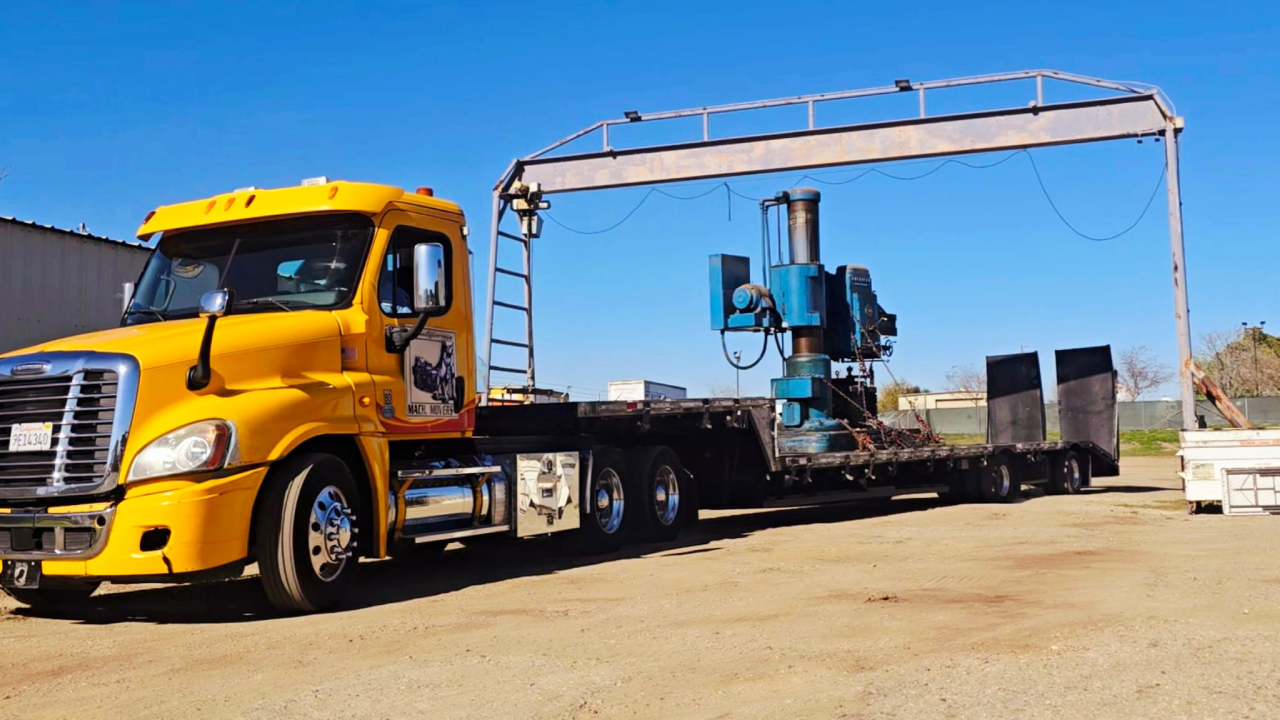
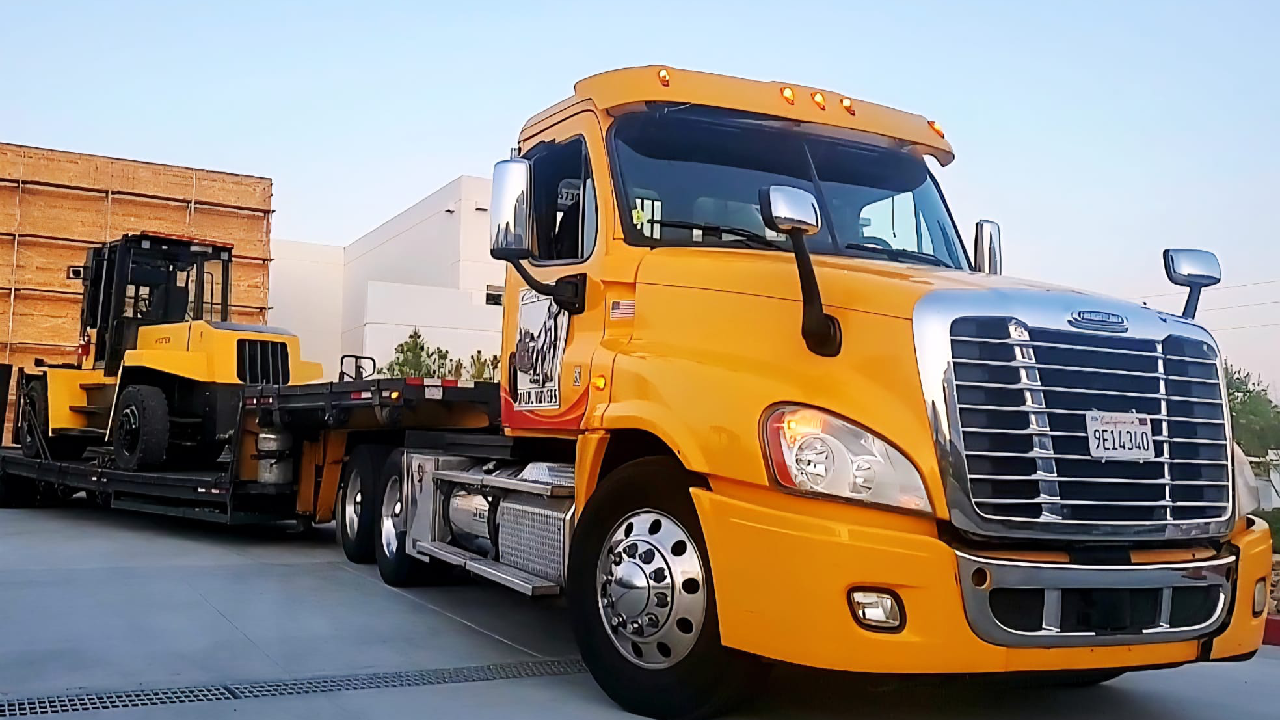
California Machinery Movers has served Southern California since 1990, with local and long-haul shipping. The team moves single pieces and entire plants, and it specializes in single-piece moves. The company runs three rigs and five experienced riggers. Those riggers size up each project. They advise on how to finish the move on time and safely.
Taking Machines Apart and Setting Them Up Again
Some moves start with taking the machine apart. The crew is trained to erect, install, and inspect machinery. The goal is low downtime and smooth startup in the new building. This can be part of a turnkey move or a stand-alone service. It includes post-move inspections.
Protecting Equipment in Transit
Packing is a big part of a safe move. The team can palletize, crate, strap, or shrink-wrap machines. Options include:
- Custom crating built around the machine.
- Packaging made with industry-grade materials and methods.
- Shrink wrap that guards against moisture, dust, and other hazards.
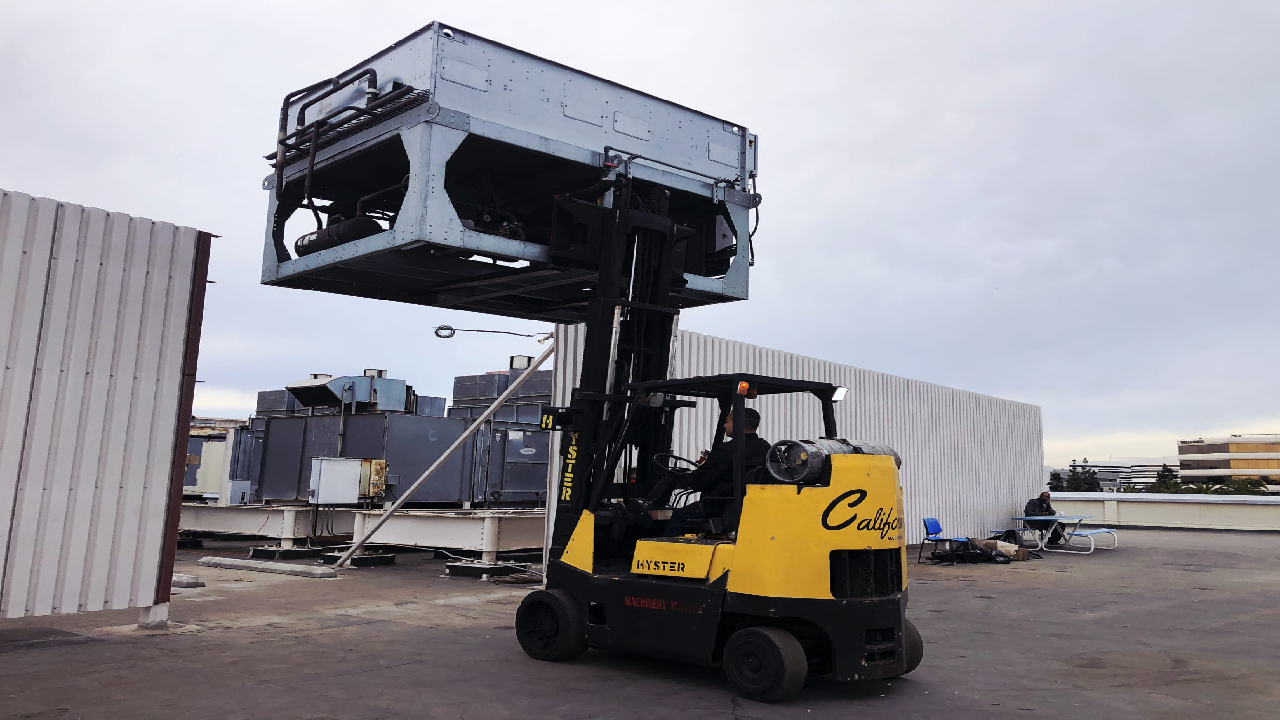
Rigging Sensitive and High-Value Equipment
Some equipment needs extra care. For aerospace and defense work, the company uses only highly trained movers. Its rigging support includes:
- Engineer-approved rigging plans built around the project.
- Special rigging for delicate, high-value equipment in controlled spaces.
- Safe rigging and placement of key electrical parts and systems.
Laboratory and medical equipment gets the same attention. Each item is packed, moved, and delivered with care. That holds whether the move stays in Los Angeles or goes a long way.
Keeping Track of the Shipment
Tracking options give hourly updates on a shipment, so you know where your equipment is. For longer trips, the company hauls with flatbeds, lowboy trailers, and specialized rigs.
What if the New Building Is Not Ready?
This can happen. Construction, inspections, or utility work can mean equipment cannot go straight to its final spot. Storage can bridge the gap between pickup and setup.
The company offers indoor and outdoor storage, short-term and long-term. It covers machinery, tools, manufacturing systems, and oversized equipment. Pairing storage with industrial relocation services in los angeles gives a tight schedule some room to flex.
Planning for Oversize Loads and Permits
Moving machines between buildings can mean oversize or overweight loads. A load needs a Caltrans permit before it touches a state highway. That applies if it goes past any one of these limits:
- Wider than 8 feet 6 inches
- Taller than 14 feet
- Longer than 65 feet
- Heavier than 80,000 pounds gross vehicle weight
Measure the equipment after it is crated or loaded on the trailer, not before. Cities and counties may need their own permits for the last stretch of the route. A crane lift on a public street can require a separate street-use or crane permit.
Timing matters too. Oversize loads generally cannot travel in darkness, on weekends, or on holidays. Start permit work early, once final sizes are known. California Machinery Movers coordinates permits and route planning as part of the job.
Which Industries and Equipment Are Moved?
The company works with a wide range of industrial equipment:
- Printing: Presses, cutters, folders, and other printing machinery
- Manufacturing and CNC shops: Lathes, mills, and similar equipment
- Scientific and lab work: Sensitive equipment, moved to affect efficiency as little as possible
- Other equipment: Generators and printers
Industries served include:
- Printing equipment
- Wood, stone, and metal works
- Scientific labs
- Power generation
- Aerospace contractors
- Machine tool distributors and manufacturers
- Pharmaceutical
- Food and beverage plants
- Theme parks
- United States government
- Electric transformers
Where California Machinery Movers Works
Service areas include Los Angeles, Temecula, Ventura, Bakersfield, Fontana, Corona, Chatsworth, and Santa Barbara. It also covers the stretch from Los Angeles to Irvine and from Riverside to Bakersfield. Other routes run from Santa Fe Springs to Camarillo and from San Diego to Santa Barbara, plus the areas in between. Cross-country transport is available too.
The company offers industrial relocation services across California, with both local and long-distance transport.
Summary
A facility move does not have to stop production for long. The steps that matter most are simple:
- Plan around your production schedule, not just a move date
- Share machine details, photos, and access facts early
- Decide who disconnects equipment and where the job ends
- Use a turnkey plan so foundation setup, transport, and installation follow one schedule
- Protect machines with crating, packaging, and shrink wrap
- Use storage if the new building runs late
- Check permit limits before the load is booked
Ready to plan your facility relocation? Request an estimate from California Machinery Movers and share your machine details, locations, and timeline.