

Relocating industrial equipment involves a very different level of planning than relocating a typical office or residence. A single misjudgment in how a machine is transported can result in extended downtime, damage to sensitive components, or costs that exceed the original budget.
For this reason, the first question we ask every client at California Machinery Movers is straightforward: is this equipment moving within the local area, or across state lines?
That distinction affects nearly every part of the process, including the type of truck required, the permits involved, the project timeline, and the overall cost. Below, we outline the key differences between local and long-distance machinery moving to help you determine the right approach for your project.
What Counts as a “Local” Move?
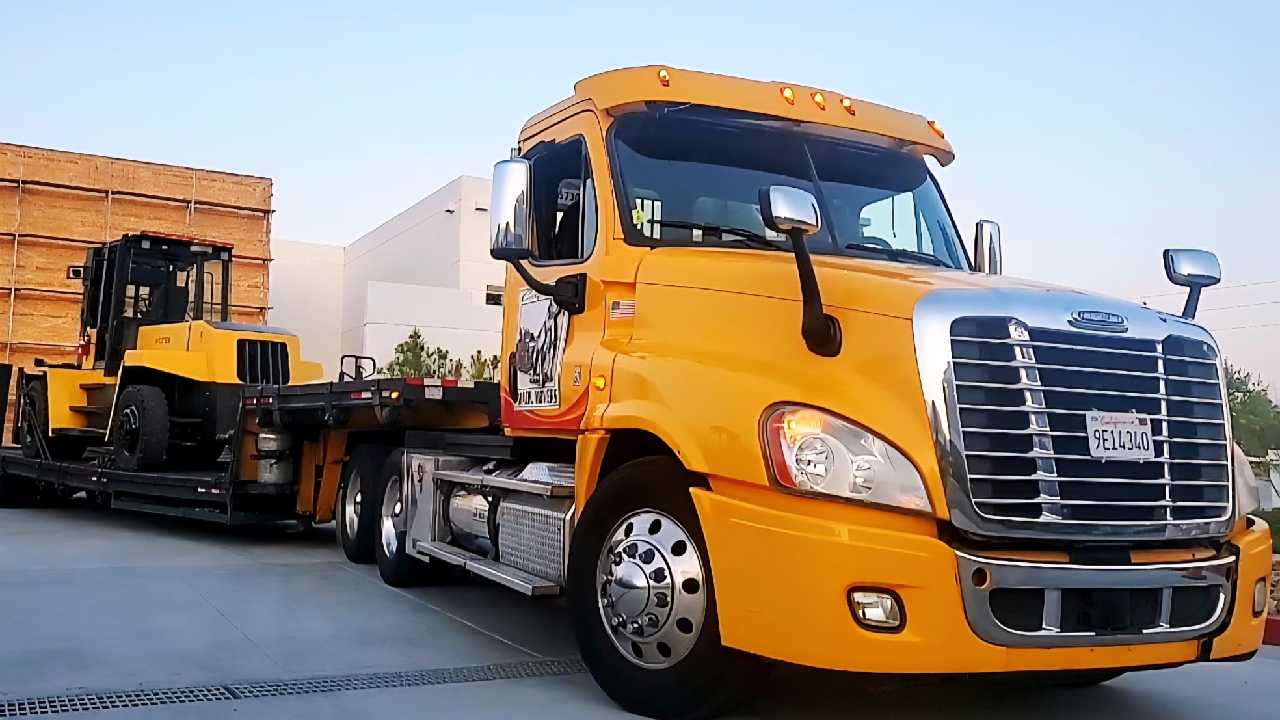
A local move usually means your machine is going from one facility to another within the same metro area or region, say, from a shop in Pasadena to a new warehouse in Santa Fe Springs, or across town in Orange County. These jobs typically wrap up in a single day.
Local moves tend to involve:
- Shorter drive times, often under a couple of hours.
- Fewer permitting requirements since the equipment isn’t crossing multiple state or county lines.
- More flexible scheduling, since crews aren’t locked into a multi-day route.
- Lower fuel and labor costs overall.
- Faster turnaround when a machine breaks down and needs emergency relocation.
If your business is simply relocating within Los Angeles County, moving to a new building in the San Gabriel Valley, or shifting a CNC machine between two nearby plants, you’re almost certainly looking at a local move.
We handle a large share of our work in exactly this category, including heavy machinery moving Ventura businesses depend on when they’re consolidating facilities or upgrading to larger production space along the coast.
What Makes a Move “Long-Distance”?
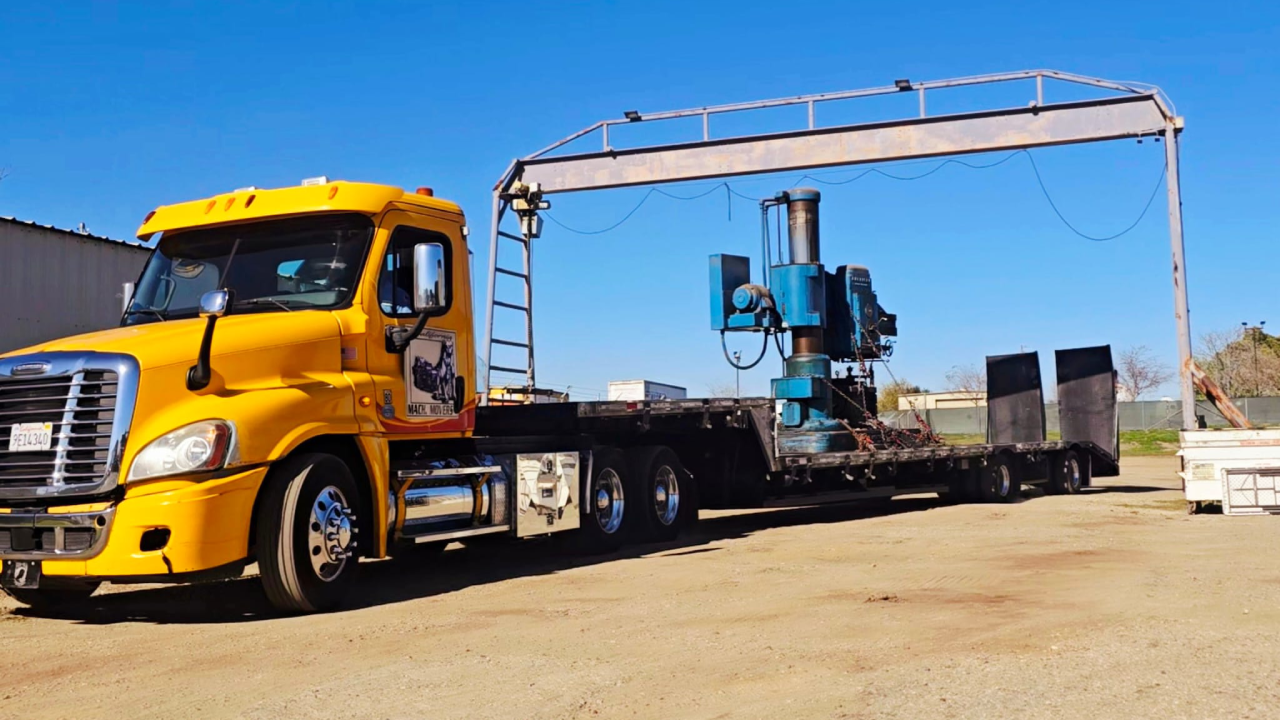
Long-distance moves present a distinctly different set of requirements. These are projects where equipment is traveling out of state, or far enough that the route requires overnight stops, interstate permitting, and a rig designed for extended hauls.
Long-distance machinery moves generally require:
- Advance route planning to account for bridge weight limits, road restrictions, and state permit rules.
- Specialized trailers rated for oversized or overweight loads.
- Careful load securing since the equipment will experience more vibration and handling over time.
- Insurance coverage suited to interstate transport.
- A realistic timeline that accounts for weather, traffic corridors, and rest stops for drivers.
We move machinery cross-country regularly, and one thing we tell clients upfront: rushing a long-distance move almost always backfires.
Equipment that isn’t rigged properly for a 1,500-mile trip can shift, and even small movement inside a trailer can throw off calibration on sensitive machines like CNC equipment or lab instruments.
Why the Distance Changes Your Cost
A lot of business owners assume the price difference between local and long-distance moving is just about mileage. It’s actually about risk and complexity.
Local jobs are priced mainly around labor, rigging, and the size of the crew needed to load and unload safely. Long-distance jobs add layers on top of that: permitting fees, fuel surcharges for extended routes, and sometimes lodging for the driving team.
A move from Ventura to San Diego is going to look very different on paper than a move from Ventura to Ohio, even though both start at the same loading dock. This is also where heavy equipment movers Temecula companies work with often see the biggest cost swings.
Temecula sits in a spot where local moves within Riverside County are common, but plenty of manufacturers there also ship equipment out of state for new plant openings or franchise expansions. Knowing which category your job falls into before you request a quote helps you avoid surprises later.
How to Decide Which One You Need
Ask yourself these three questions before you call a mover:
- How far is the equipment actually traveling? Under 100 miles usually means local. Beyond that, you’re likely in long-distance territory.
- Does the route cross state lines? Interstate moves trigger different permitting and insurance requirements, regardless of total distance.
- How time-sensitive is the move? Local moves can often happen within a day or two of booking. Long-distance jobs need more lead time for route approval and scheduling.
If you’re still not sure, a good rule of thumb is this: if you could reasonably drive the route yourself in an afternoon, it’s local. If it requires an overnight stay, treat it as long-distance and plan accordingly.
Why the Right Mover Matters More Than the Right Truck
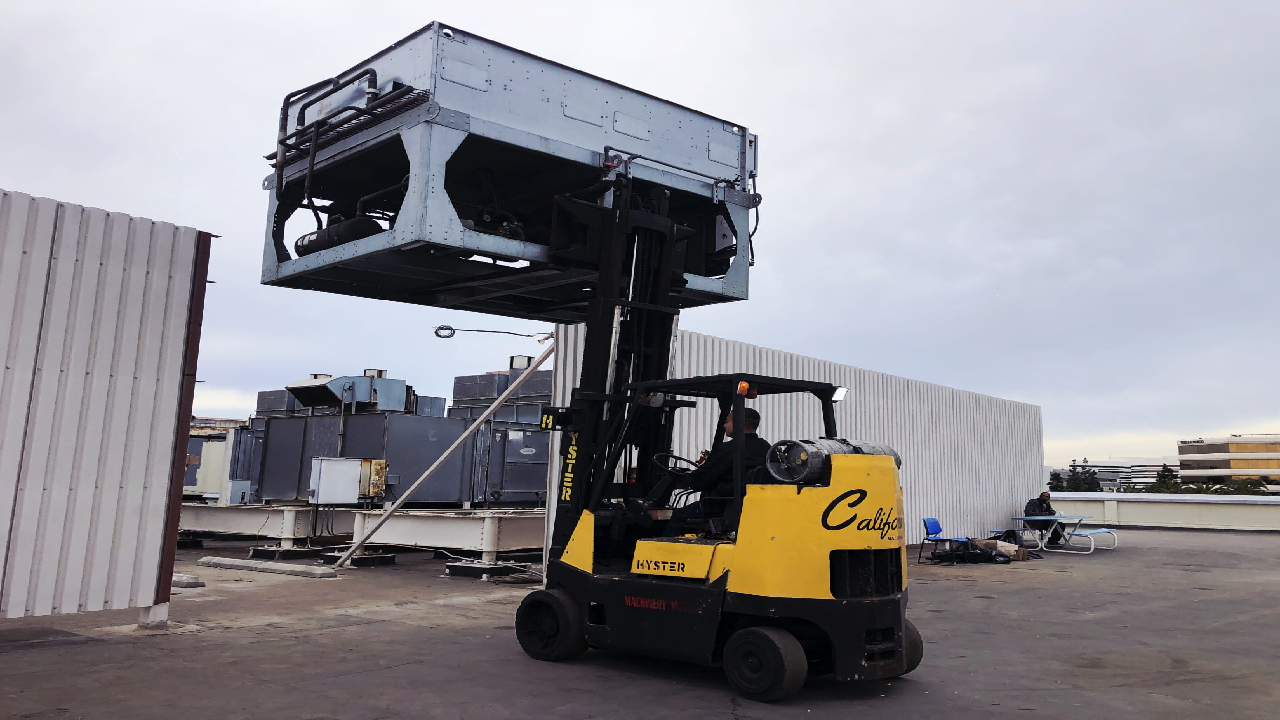
A lot of companies can put a machine on a flatbed. Fewer can rig it correctly, secure it for the specific type of trip it’s about to take, and set it back down without throwing off its alignment. That distinction matters whether you’re moving a printing press two miles or a gas turbine two thousand.
At California Machinery Movers, we’ve been handling both ends of this spectrum since 1990. Our crews are equally comfortable with a same-day local relocation in the San Gabriel Valley as they are with planning a multi-day interstate haul.
We also offer heavy machinery storage for clients who need a gap between the old location and the new one, which comes in handy more often than people expect, especially during long-distance moves where timing between sites doesn’t always line up perfectly.
Get the Right Plan for Your Move
Whether you’re relocating a single machine within your own city or shipping an entire production line across the country, the planning process should look different for each. Guessing at what your job needs, or hiring a mover who treats every job the same way, is how equipment gets damaged and budgets get blown.
If you’re weighing your options, give our team a call. We’ll walk through your equipment, your timeline, and your route, and tell you honestly whether you’re looking at a local job or a long-distance one. Then we’ll quote it accordingly.
Call California Machinery Movers today to get a straightforward quote for your next move, local or long-distance.